
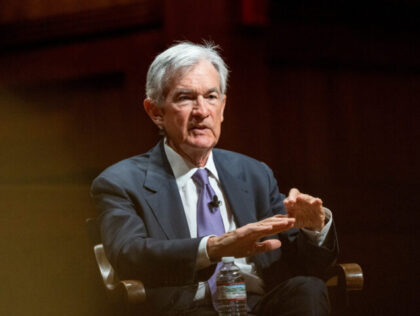
Federal Reserve Chair Jerome Powell dropped a bombshell while chatting with Harvard undergrads: the Fed is poised to shrug off the Iran oil shock and keep inflation expectations well anchored. In classic central banker speak, he emphasized that energy price spikes—like the ones we’re seeing from Middle East tensions—are temporary blips, not worth derailing monetary policy over. The playbook? Sit tight, let markets absorb the hit, and avoid knee-jerk rate hikes that could choke economic growth. This comes amid Brent crude flirting with $80/barrel post-Iran flare-ups, with U.S. gasoline prices already ticking up 10% in a month, per EIA data.
But here’s the clever angle for the 2A community: Powell’s wait it out stance is a tacit green light for fiscal reality to bite harder. Higher energy costs don’t vanish—they ripple into everything from ammo production (think primers and powder derived from petrochemicals) to trucking fees for firearms shipments. We’ve seen this movie before: the 1970s oil crises supercharged inflation, leading to stagflation that eroded real wages and sparked civil unrest, from trucker strikes to urban riots. Fast-forward to today, with Iran’s proxies stirring the pot, and suddenly that AR-15 in your safe isn’t just a hobby—it’s prudent preparation for supply chain squeezes and potential dollar devaluation. Historical parallels? Post-1973 Yom Kippur War, oil quadrupled, U.S. gun ownership surged amid economic anxiety, per ATF import stats, as Americans braced for volatility.
The implications scream opportunity and vigilance for gun owners. If the Fed stays dovish, expect cheap borrowing to persist, fueling a manufacturing boom in domestic firearms (hello, record AR production per NSSF reports). But anchor those inflation expectations at your peril—persistent shocks could unmoor them, hiking real costs for range time and reloading supplies by 20-30% if history rhymes. 2A patriots, this is your cue: stockpile components now, diversify into energy-resilient assets, and keep lobbying for energy independence. Powell’s patience might buy time, but self-reliance never goes out of style.


