
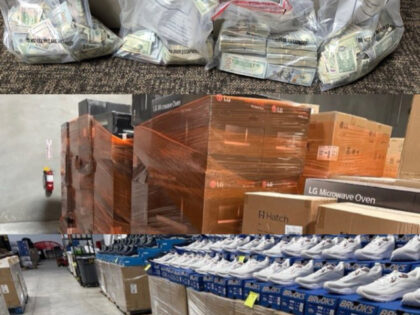
In the sprawling warehouse districts of Los Angeles County, nine suspects have been rounded up by the Sheriff’s Department in a massive $7 million cargo theft ring that hit 36 companies hard—think pallets of high-value goods vanishing into the night like ghosts in the machine of California’s supply chain. Photos from the bust show stacks of stolen merchandise, from electronics to who-knows-what-else, recovered from hideouts that scream organized crime syndicate. This isn’t your run-of-the-mill smash-and-grab; it’s a sophisticated operation preying on the vulnerabilities of an already strained logistics network, where cargo theft has surged 20% nationwide in recent years according to CargoNet data, but California’s porous borders and lax enforcement make it ground zero.
Dig deeper, and the 2A implications hit like a mag dump: among the likely targets in these hauls are firearms, ammo, and accessories shipped to FFL dealers and distributors—items that vanish into black market pipelines feeding California’s violent crime epidemic. Remember the 2023 ATF stats showing over 1,000 guns stolen in cargo thefts across the U.S., with L.A. as a hotspot? This bust underscores how anti-2A policies like universal background checks and storage mandates don’t stop thieves; they just empower criminals who bypass the system entirely. Legit companies foot the bill through skyrocketing insurance premiums, passing costs to gun owners already hammered by fees and regs, while perps walk free until the next score.
For the 2A community, this is a clarion call: advocate harder for armed security in logistics, support federal cargo protection reforms like the 2024 Supply Chain Security Act push, and back local sheriffs who actually enforce the law. In a state where self-defense is criminalized more than theft, these busts remind us that the real assault on rights comes from unchecked crime waves—time to lock, load, and lobby before the next truck gets jacked.


