

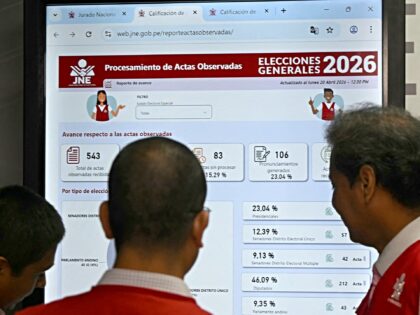
Peru’s presidential election on April 12 has descended into a bureaucratic quagmire, with the head of the National Election Jury (JNE) announcing that full results won’t trickle in until mid-May. That’s right—nearly a month of limbo after voters cast their ballots, as the JNE grapples with disputes over ballots and technicalities. This isn’t some backwater glitch; it’s a stark reminder of how fragile electoral processes can be in nations where institutional trust is already paper-thin, exacerbated by ongoing protests, economic woes, and a history of political upheaval since the 2022 ousting of President Pedro Castillo.
For the 2A community, this delay screams red flags about governance vulnerability. Imagine the U.S. election night dragging into spring—riots would erupt, militias would mobilize, and self-reliant Americans would eye their AR-15s a little closer. Peru’s chaos, with armed clashes between protesters and security forces already claiming lives, underscores why the Second Amendment isn’t just a relic; it’s a bulwark against the power vacuums that breed tyranny. Leftist candidates like former President Ollanta Humala, who once flirted with authoritarian vibes, loom large in the runoff mix, and prolonged uncertainty could ignite civil unrest mirroring Venezuela’s spiral. Pro-2A advocates should watch closely: nations without robust individual rights frameworks crumble fastest under electoral stress, proving that an armed populace isn’t a bug—it’s the ultimate safeguard for sovereignty.
The implications ripple globally. As Peru teeters, U.S. gun owners can draw a direct line to our own fights against election interference narratives and disarmament pushes. If bureaucrats can stall democracy for weeks in a resource-rich ally, what’s stopping similar gamesmanship here? Stock up, train up, and stay vigilant—this is why we curate these stories: to connect the dots between distant chaos and the defense of our freedoms at home.


