
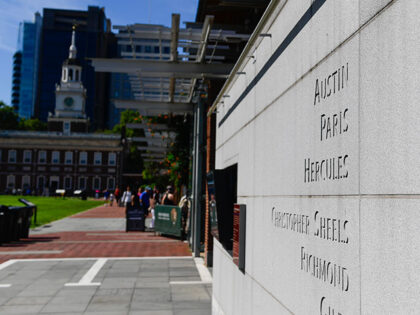
The National Park Service’s decision to yank a slavery exhibit from the site of George Washington’s Philadelphia residence—dubbed the First White House—isn’t just a quiet curatorial tweak; it’s a seismic shift in how we’re allowed to grapple with America’s founding contradictions. This spot, where Washington housed nine enslaved people during his presidency from 1790-1792, once featured panels detailing that grim reality, including names like Ona Judge, who famously escaped to freedom. Now, poof—gone, replaced by… well, something less confrontational, per NPS statements prioritizing inclusive storytelling. In a nation obsessed with contextualizing history through the lens of racial grievance, erasing the slavery angle feels like selective amnesia, especially when it involves the Father of Our Country. Why now? Post-2020 cultural reckonings have museums scrambling to balance truth with visitor comfort, but scrubbing this exhibit sidesteps the fuller portrait of a revolutionary era where liberty’s architects were entangled in human bondage.
For the 2A community, this hits harder than a misfired round. George Washington wasn’t just a slaveholder; he was a lifelong firearm enthusiast and skilled marksman who armed his plantation overseers and led the Continental Army with militias wielding everything from Brown Bess muskets to Pennsylvania rifles. The Second Amendment’s roots trace directly to that revolutionary ferment—citizen-soldiers rising against tyranny, a ethos Washington embodied while navigating his own moral compromises on slavery. By airbrushing the slavery exhibit, the NPS dilutes the raw, unfiltered context of our founding: a flawed fight for self-determination that birthed the right to keep and bear arms as a bulwark against oppression. It’s as if they’re prepping the ground for narratives that paint the Founders as irredeemable villains, undermining the Bill of Rights they ratified. Imagine if Harpers Ferry or Valley Forge exhibits got the same treatment—history neutered to fit modern sensibilities erodes the case for an armed populace defending those hard-won freedoms.
The implications ripple outward: if federal stewards can vanish inconvenient truths from iconic sites, what’s next for 2A heritage? Parks like Minute Man National Historical Park, where armed colonists sparked the Revolution, could face similar updates to emphasize colonial sins over self-defense triumphs. This isn’t about denying slavery’s horror—it’s about preserving the dialectical tension that forged America, where armed resistance to kingly overreach coexisted with personal failings. 2A advocates should rally: demand transparency on the removal, push for balanced exhibits that honor Washington’s full legacy, including his will freeing his slaves upon Martha’s death. In an era of cultural purges, remembering the armed struggle behind our rights means defending every gritty detail of that story—slavery scars and all. Stay vigilant; our history, like our firearms, is too vital to be disarmed.


