

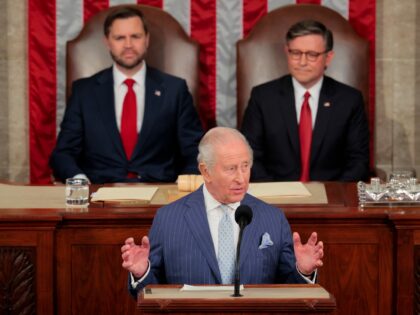
King Charles III’s historic address to a joint session of Congress—only the third British monarch to do so—couldn’t have come at a more symbolically charged moment: the eve of America’s 250th birthday. Stepping into the very chamber where revolutionaries once debated severing ties with the Crown, Charles hailed the eternal alliance between Britain and the United States, rooted in shared values, history, and kinship. It’s a poetic pivot from 1776’s bitter divorce to today’s unbreakable bond, underscored by mutual defense pacts like NATO and a history of standing shoulder-to-shoulder from World War II to the Global War on Terror. But let’s peel back the pomp: this isn’t just feel-good pageantry. Charles’s words arrive amid rising global threats—think aggressive authoritarian regimes eyeing Taiwan or the South China Sea—reminding us that our special relationship isn’t mere nostalgia; it’s a bulwark against chaos, with America’s armed citizenry as the ultimate backstop.
For the 2A community, this address packs a subtle but potent punch. Britain, of course, is ground zero for the perils of civilian disarmament: post-Dunblane and post-WWII, the UK stripped its subjects of meaningful self-defense rights, leaving them reliant on a state monopoly on force that’s now strained by knife crime epidemics and delayed police responses. Charles’s effusive praise for American resilience and shared liberty glosses over that chasm—America’s Founders enshrined the right to keep and bear arms precisely to prevent monarchical overreach and ensure sovereignty. Yet here he is, toasting the nation that rebelled against his ancestors, implicitly validating the experiment in armed liberty that makes the U.S. an outlier. It’s a tacit nod to why our alliance endures: America’s not just a superpower; it’s a nation of riflemen, deterring tyrants at home and abroad.
The implications ripple outward. As fiscal cliffs loom and defense budgets get squeezed on both sides of the Atlantic, this eternal rhetoric reinforces why 2A matters geopolitically—our 400 million privately held firearms create a domestic force multiplier no other ally can match, bolstering deterrence without taxpayer billions. Gun grabbers in D.C. take note: weakening the Second Amendment doesn’t just erode individual rights; it diminishes America’s strategic edge in the free world’s most vital partnership. Charles gets it—history’s lessons are clear. Time for Congress to remember why we fought, and why we win.


