
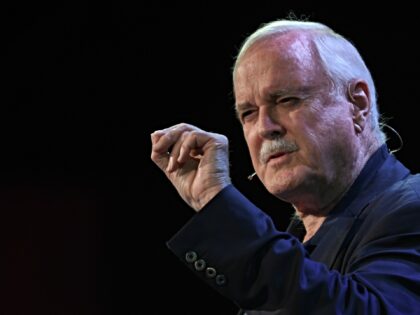
British comedy icon John Cleese, the man behind Monty Python’s absurd genius, has dropped a bombshell question that’s equal parts hilarious and harrowing: Will he be labeled a terrorist just for daring to question Islam’s role and mass migration’s impact on Britain’s future? In a recent social media post, Cleese laments the stifling atmosphere in his homeland, where free speech feels like a relic of the Empire days. This isn’t mere whining from a has-been funnyman—it’s a stark signal from someone who’s spent decades skewering sacred cows, now eyeing his own government with the wariness of a Fawlty Towers guest spotting a rogue parrot.
Context here is crucial: Britain, once the cradle of parliamentary democracy and Magna Carta liberties, has devolved into a surveillance state where hate speech laws muzzle dissent faster than a Basil Fawlty rant. Cleese’s query echoes the fates of Tommy Robinson and others branded extremists for similar critiques, amid skyrocketing knife crime and no-go zones tied to unchecked migration. It’s a far cry from the U.S., where the First Amendment shields such discourse—much like the Second Amendment guards against tyranny’s overreach. For the 2A community, this is a flashing red light: What happens when speech is criminalized? Governments don’t stop at words; they eye disarmament next. Britain’s 1997 handgun ban followed speech crackdowns, leaving citizens defenseless as cultural shifts imported violence. Cleese’s fear underscores why armed self-reliance isn’t just a hobby—it’s the ultimate backstop against a state that brands questions as terror.
The implications ripple across the pond. As America grapples with its own migration debates and Big Tech censorship, Cleese’s plight is a cautionary tale: Lose free speech, and self-defense follows. Pro-2A patriots should champion this as Exhibit A in the fight for unalienable rights—because when comics fear terror labels for punchlines, the punchline is on liberty itself. Rally around the Founders’ wisdom: An armed populace questions authority without apology, ensuring no king—or caliphate—silences the jest.


