
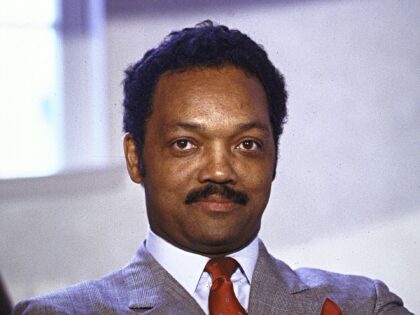
Rev. Jesse Jackson, the fiery civil rights icon and two-time presidential candidate, passed away at 84 after a prolonged battle with illness, his family confirmed early Tuesday. Known for his electrifying rhetoric—from the 1984 and 1988 Democratic primaries where he galvanized Black voters and pushed progressive agendas, to his Rainbow Coalition that bridged racial divides—Jackson’s life was a whirlwind of activism, from Selma marches alongside MLK to global anti-apartheid crusades. But beneath the preacher’s cadence and moral suasion lay a staunch anti-gun crusader whose influence rippled through America’s culture wars, often clashing head-on with the Second Amendment community.
For 2A advocates, Jackson’s death marks the end of an era defined by unyielding opposition. He co-founded Rainbow/PUSH and relentlessly lobbied for stricter gun control, marching in the Million Man March and amplifying calls for bans post-mass shootings like Columbine. His 1990s alliance with the Clinton administration fueled the Assault Weapons Ban, framing firearms as tools of urban oppression rather than self-defense rights—a narrative that painted gun owners as complicit in Black community violence while ignoring stats showing defensive gun uses dwarf criminal ones (over 2.5 million annually per CDC estimates). Jackson’s rhetoric supercharged the gun-grabbers’ playbook, equating AR-15s with apartheid enforcers, yet his own Chicago backyard became a grim irony: the city’s handgun ban (pre-McDonald v. Chicago) correlated with sky-high murder rates, underscoring how disarming law-abiding citizens leaves them vulnerable to the real predators.
As the curtain falls on this polarizing figure, the 2A community should reflect on the void—and the victory. Without Jackson’s star power, the anti-gun left loses a charismatic bridge-builder who humanized their cause to moderates. We’ve outlasted his bans; Heller, McDonald, and Bruen have enshrined carry rights even in blue strongholds. His passing underscores a key truth: civil rights aren’t advanced by stripping self-defense tools from the marginalized, but by empowering them. Rest in power, Reverend—may your legacy remind us why the right to keep and bear arms endures as the ultimate equalizer.


