
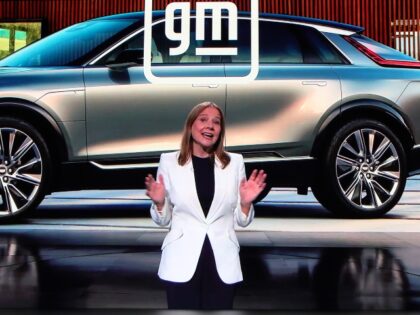
Iowa Attorney General Brenna Bird just dropped a bombshell lawsuit against General Motors and OnStar, accusing the tech giants of vacuuming up drivers’ location data, habits, and intimate details—then hawking it to third parties without a whisper of real consent from Iowa residents. This isn’t some vague privacy gripe; Bird’s suit claims GM’s OnStar system tracked folks down to the minute, sharing everything from where you park at night to your daily routines, all while drivers thought they were just getting roadside assistance. It’s a classic case of Big Auto playing Big Brother, turning your Chevy into a rolling snitch without so much as a heads-up opt-in.
Dig deeper, and this hits the 2A community square in the crosshairs. We’ve long warned about connected cars as trojan horses for gun grabs—remember how states like New York and California have eyed vehicle telematics to flag assault weapon purchases or track trips to the range? GM’s data bazaar could supercharge that nightmare: insurers already hike rates based on your driving risk profile, and law enforcement could subpoena your OnStar logs to map gun owners’ movements during red flag events. Bird’s move exposes how this surveillance ecosystem—fed by unelected corporate overlords—bypasses the Fourth Amendment, setting precedents that bleed into Second Amendment defenses. If GM can sell your data unchecked, what’s stopping feds from demanding it to build watchlists on permit holders or CCW carriers?
The implications scream urgency for gun folks: demand kill-switches on vehicle data streams, push for state laws mandating consent (Iowa’s leading the charge—kudos, Brenna), and ditch smart cars for analog freedom machines. This lawsuit isn’t just a win for privacy hawks; it’s a flare gun for 2A patriots realizing that in the digital age, your truck’s black box is the new registry. Stay vigilant—your next road trip could be evidence in someone else’s confiscation scheme.


