
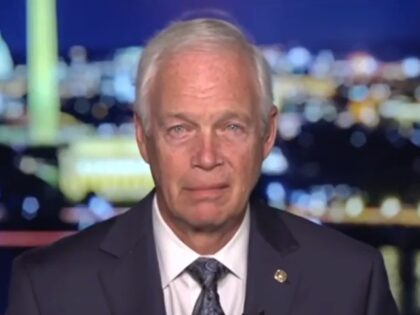
Senator Ron Johnson just dropped a bombshell on Fox Business, calling for the TSA to be privately contracted and air travel’s air traffic control system fully privatized—ideas that could reshape how we think about government monopolies on security. Speaking on The Bottom Line, the Wisconsin Republican pointed to the ongoing TSA disruptions as Exhibit A for why Uncle Sam’s bloated bureaucracy is a recipe for chaos. No more federal screeners grinding travel to a halt with their endless sickouts or union-driven drama; instead, private firms competing on efficiency, innovation, and yes, customer service. Johnson’s pitch isn’t pie-in-the-sky—Canada’s been rocking privatized air traffic control since the ’90s with zero major hiccups, and even U.S. airports like San Diego have experimented with private TSA alternatives that cut wait times dramatically.
But here’s the 2A angle that should have gun owners cheering: privatizing TSA could torch the current iron-fisted regime where feds treat every firearm like a WMD. Imagine private security firms, many staffed by pro-2A folks from the heartland, applying common-sense rules instead of the TSA’s one-size-fits-all paranoia. We’ve seen it work—privately screened terminals already allow compliant travelers to check firearms without the soul-crushing interrogations or arbitrary confiscations that plague government checkpoints. Johnson’s fix flips the script on the post-9/11 security theater that’s morphed into a Second Amendment gauntlet, where honest hunters and sport shooters get hazed while real threats slip through. It’s not just about faster lines; it’s about wresting control from D.C. apparatchiks who view armed citizens as the problem, not the solution.
The implications ripple far beyond airports. If privatization proves TSA can secure skies without trampling rights—and data shows private systems often outperform government ones on safety metrics—it sets a precedent for privatizing other essential services, like armed security at federal buildings or even border patrols. For the 2A community, this is a stealth win: less federal overreach means more space for constitutional carry in transit hubs, fewer horror stories of seized heirloom revolvers, and a cultural shift toward trusting private enterprise (and its gun-toting employees) over the nanny state. Johnson’s not just fixing travel woes; he’s chipping away at the administrative state’s grip on our freedoms. Time for Congress to listen—or watch the disruptions (and rights erosions) continue.


