
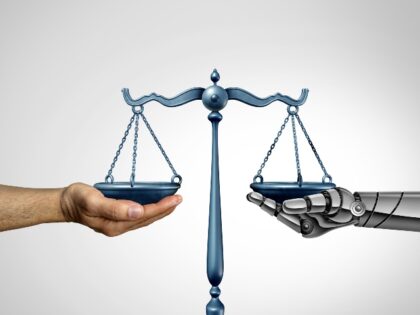
Federal judges are diving headfirst into the AI pool, with over 60% now using tools like ChatGPT for case prep and even drafting rulings, per a fresh study that’s got legal eagles squawking about accuracy pitfalls. This isn’t some fringe experiment—it’s mainstream in the robes, where bots are churning out opinions faster than a clerk on caffeine. But here’s the rub for us 2A folks: imagine SCOTUS-level scrutiny on gun cases like Bruen or Rahimi getting an AI assist. These models, trained on vast legal corpora, could spit out pro-Second Amendment precedents or twist them into pretzels, depending on the biases baked into their data. We’ve seen AI hallucinate facts before—picture it fabricating a historical tradition of assault weapon bans that never existed, or worse, undermining Heller’s core holding because some training data skewed left.
The implications hit hard in our arena, where judicial rulings are the thin line between your carry permit and confiscation. Pro-2A wins often hinge on razor-thin originalist interpretations, and if judges are outsourcing to AI that regurgitates progressive law reviews over Federalist Papers, we’re staring down a digital due process disaster. Context matters: this surge follows post-Bruen chaos, with lower courts drowning in challenges to mag bans and ghost gun rules. AI might speed things up, easing backlogs that delay injunctions, but at what cost? Reliability woes—like bots citing fake cases—could erode trust in rulings, fueling appeals and eroding the Supreme Court’s gatekeeping role. For gun owners, it’s a double-edged sword: efficiency might preserve rights faster, but flawed AI drafts risk embedding anti-2A myths into law, turning shall not be infringed into shall not be interpreted by humans.
Bottom line, 2A community: this AI judicial takeover demands vigilance. Push for transparency mandates—require judges to disclose AI use in opinions, especially firearms cases—and demand audits of these tools’ training data for Second Amendment fidelity. We’ve fought ink-and-paper battles for centuries; now it’s code vs. Constitution. Stay frosty, curate your own research, and remind the bench: rights aren’t for robots to rewrite.


