
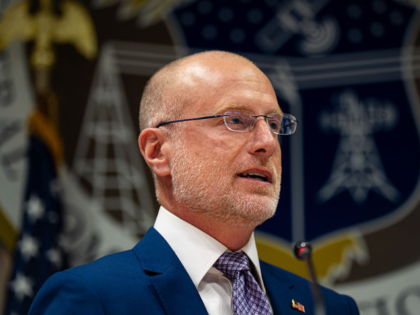
The FCC’s latest move to clamp down on fraud in the Lifeline program—subsidizing phone and internet for low-income folks—hits like a breath of fresh air in a swamp of government waste. They’re calling out the scams, like billions funneled to dead people and ghost accounts, with California as ground zero for the abuse. No more taxpayer dollars propping up fake users or cartel call centers running robocall rackets that prey on everyone from grandma to gun shop owners. This isn’t just housekeeping; it’s a rare federal admission that oversight matters, proposing stricter ID verification and data cross-checks to ensure real Americans get the help without lining crooks’ pockets.
Dig deeper, and this ties straight into the 2A world where fraudsters exploit lax systems to dodge accountability. Think about it: the same loose verification that lets deadbeats claim Lifeline phones for burner ops could enable bad actors to spoof numbers for threats against ranges, shops, or pro-2A events—untraceable harassment that chills free speech and Second Amendment advocacy. We’ve seen robocalls pushing anti-gun hysteria or doxxing permit holders; cleaning this up means fewer tools for the enemies of liberty. It’s a win for fiscal sanity too—redirect those billions from fraud to actual needs, maybe even easing the tax burden that funds ATF overreach.
The implications? A blueprint for 2A reforms. If the FCC can demand real IDs for subsidies, why not apply that rigor to NFA registries or red flag laws riddled with errors? This proposal signals momentum against bureaucratic sloth; 2A supporters should cheer it on, push for similar audits everywhere, and watch how it starves the scammers who undermine our rights. Stay vigilant—government finally acting right could be the spark for broader accountability.


