
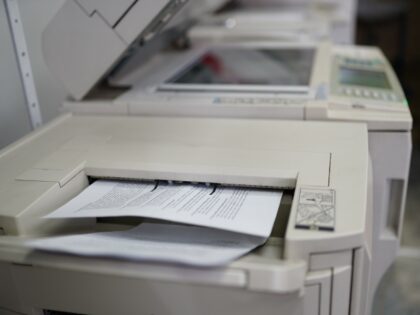
Imagine printing out a classified memo to a Washington Post reporter, thinking you’re slick enough to dodge Uncle Sam’s watchful eyes—only to get busted by the humble office printer humming in the corner. That’s exactly what happened to Asif William Rahman, a 33-year-old contractor at Leidos (a major government tech firm), according to freshly unsealed FBI affidavits. Rahman allegedly swiped seven top-secret docs on Israel’s nuclear program and the Gaza conflict, snapped pics or printed them, and funneled them to WaPo’s Shane Harris. But the printer? It didn’t just spit out paper; it archived full-color scans of every page, complete with timestamps, user IDs, and metadata. Leidos IT sleuths cross-referenced the logs, traced it back to Rahman’s workstation, and boom—game over. The FBI swooped in with a search warrant, seizing his devices packed with the dammit evidence.
This isn’t just a gotcha tale; it’s a stark reminder of how Big Brother’s tentacles have infiltrated everyday tech, far beyond your iPhone’s backdoor. Modern printers from giants like HP and Xerox aren’t dumb boxes—they’re networked surveillance beasts logging everything under the guise of maintenance and security features. Enable hard disk archiving or secure print, and you’ve got a digital panopticon archiving gigabytes of your workflow. For the 2A community, this hits close to home: swap Israeli nukes for ATF Form 4473s, NFA trust docs, or range logs from a federal contractor gig, and you’re staring down the same barrel. We’ve seen feds subpoena printer logs in Jan 6 cases and gun trace audits; now imagine your shop’s MFP ratting out SOT transfers or suppressor blueprints to a nosy journo or activist. It’s not paranoia—it’s precedent.
The implications scream for vigilance: disable printer hard drives (many models let you yank ’em), use air-gapped machines for sensitive 2A work, or go old-school with inkjet disposables that don’t phone home. Rahman faces Espionage Act charges that could lock him up for decades, a warning shot to anyone in the mil-industrial complex juggling clearances and principles. 2A patriots in defense or security roles, take note—your next print job might be your last if you’re pushing back against red-flag laws or registry schemes. Stay frosty, encrypt everything, and remember: in the surveillance state, even the copier is a snitch.


