

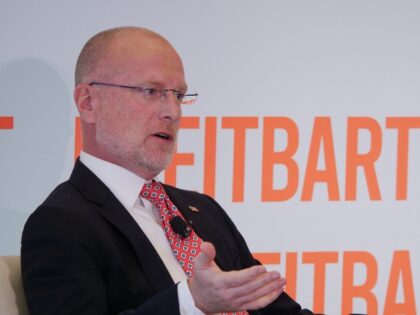
Federal Communications Commission Chairman Brendan Carr is swinging the hammer down on those infuriating overseas call centers that bombard Americans with scam robocalls, announcing new rules mandating standard English proficiency for operators and stricter controls to slash the flood of fraudulent calls. This isn’t just about annoying interruptions during dinner—Carr’s initiative targets the shadowy operations, often run from places like India or the Philippines, that prey on vulnerable seniors and rack up billions in losses annually. By demanding clear, verifiable English skills and tying them to FCC licensing, the agency aims to make it tougher for scammers to impersonate legitimate businesses, banks, or even government officials, potentially drying up a major revenue stream for international fraud networks.
Digging deeper, this move arrives at a pivotal moment when robocalls have surged post-pandemic, with the FCC reporting over 4 billion nuisance calls in the first half of 2024 alone—many laced with sophisticated AI voices that sound eerily American. Carr’s crackdown builds on recent STIR/SHAKEN protocols and partnerships with carriers like AT&T and Verizon, but the English proficiency requirement is a clever gut punch: it forces overseas centers to either upskill their workforce or get sidelined, reducing the cultural and linguistic fog that lets scammers evade detection. For the 2A community, this hits close to home—gun owners are prime targets for scams impersonating the ATF or NRA, hawking fake registration fees or phishing for serial numbers under the guise of Biden-era regulations. We’ve seen a spike in these predatory calls exploiting fears around red flag laws and suppressors, bilking patriots out of thousands while sowing paranoia about confiscations.
The implications are huge: fewer scam calls mean less distraction from real threats like actual ATF overreach or state-level mag bans, letting 2A advocates focus on advocacy rather than hanging up on fraudsters. If Carr’s rules stick—and with his pro-consumer track record, they likely will—this could reclaim billions for American pockets and starve the scammers who fund bigger crimes. It’s a rare win from the FCC, proving bureaucracy can sometimes shield the people instead of hassling them. Stay vigilant, verify callers, and support leaders like Carr who prioritize real protections over red tape.


