
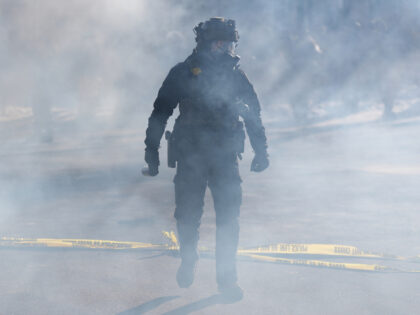
Department of Homeland Security Secretary Kristi Noem just dropped a bombshell: effective immediately, ICE and Border Patrol agents operating in Minneapolis are being equipped with body cameras. This isn’t some pilot program or vague promise—it’s boots-on-the-ground rollout right now, aimed at the heart of one of America’s most chaotic urban flashpoints. Minneapolis, still reeling from the 2020 riots that saw federal buildings torched and law enforcement under siege, has become a magnet for illegal immigration enforcement challenges, from cartel activity to sanctuary city standoffs. Noem’s move signals a no-nonsense pushback against the chaos, ensuring every interaction—from routine stops to high-stakes raids—is captured on video for maximum transparency and accountability.
For the 2A community, this is a double-edged sword worth dissecting. On the pro side, body cams are a proven force multiplier for officer safety and legal defense, much like how concealed carriers rely on real-time evidence to vindicate their right to self-defense. We’ve seen it in countless road rage or home defense incidents where footage flips the narrative from armed aggressor to responsible defender. Imagine ICE agents facing off against armed smugglers or rioters—unedited video could expose the lies peddled by anti-ICE activists, bolstering public support for robust border enforcement and, by extension, the armed guardians of our sovereignty. It’s a subtle win for 2A ethos: accountability protects those who carry under color of law, just as it should for patriots exercising their natural rights.
But let’s not get complacent—the implications cut deeper. Critics will scream surveillance state, and they’re not entirely wrong; this tech could be weaponized against law-abiding gun owners in mixed encounters, like a legal CCW holder assisting feds during a border-related dust-up. We’ve already watched body cam footage twisted in trials to demonize firearms, from Ferguson to the January 6th circus. For 2A advocates, the play is clear: demand reciprocity. If feds get cams, push for every state to mandate them universally, while lobbying for ironclad protocols that prioritize de-escalation footage over selective edits. Noem’s rollout in Minneapolis isn’t just about ICE—it’s a litmus test for how technology intersects with the right to keep and bear arms in an era of open borders and urban decay. Stay vigilant; this could redefine accountability for the better, or become another tool in the disarmament toolkit.


