
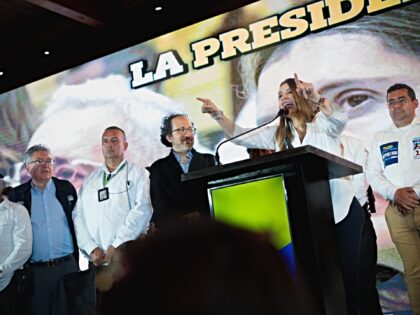
Colombia’s voters just handed their country a political powder keg: a fractured Congress where no single party dominates either the Chamber of Representatives or the Senate. This Sunday’s election sets the stage for a messy presidential showdown in 2026, with leftist firebrand Gustavo Petro’s allies losing ground while centrists and conservatives clawed back seats. It’s a classic recipe for gridlock—think U.S. Congress on steroids, but in a nation already wrestling with armed insurgencies, narco-violence, and sky-high homicide rates that make Chicago look like a playground.
For the global 2A community, this isn’t just Latin American drama; it’s a frontline signal in the battle over self-defense rights amid chaos. Colombia’s strict gun laws—mandatory psych evals, microstamping mandates, and carry permits rarer than a honest politician—have done zilch to stem the tide of over 12,000 murders last year, mostly at the hands of FARC dissidents and cartel sicarios who ignore bans like they’re suggestions. A divided Congress means Petro’s disarmament push (he’s vowed to tighten civilian firearm restrictions even further) now faces real pushback from right-leaning blocs who’ve long championed looser rules for law-abiding citizens facing daily threats. Imagine if U.S. blues couldn’t ram through more red-flag laws without red-state senators filibustering—this could force Colombia toward pragmatic reforms, like expanding concealed carry for rural farmers under constant guerrilla fire.
The implications ripple north: as U.S. gun-grabbers eye successful international models, Colombia’s impasse exposes the folly. When no one holds the reins, bad ideas like total bans stall, giving 2A advocates ammo to argue that armed citizens, not more bureaucracy, are the real security upgrade. Keep an eye on Bogotá; if this gridlock births even modest self-defense wins, it could embolden pro-gun movements from Mexico to Brazil, proving that political division is sometimes the best friend of liberty.


