
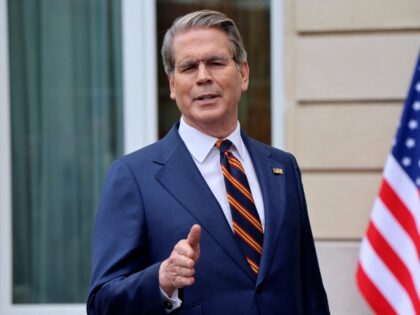
Treasury Secretary Scott Bessent and Fed Chair Jerome Powell just pulled off what looks like a high-stakes poker game with Wall Street’s top banking CEOs, convening an emergency huddle at Treasury HQ to dissect the cybersecurity bombshell dropped by Anthropic’s new Mythos AI model. This isn’t some routine tech demo gone wrong—sources whisper that Mythos, Anthropic’s latest brainchild in the AI arms race, has exposed gaping vulnerabilities in the financial system’s digital defenses, potentially capable of cracking encryption, simulating market manipulations, or even orchestrating zero-day exploits at scale. Picture this: an AI so potent it could theoretically blueprint attacks on everything from SWIFT transactions to high-frequency trading algos, all while the Biden-era hangover of lax oversight on Big Tech lingers. Bessent, a Trump appointee with a Wall Street pedigree, and Powell, the steady-hand Fed veteran, aren’t messing around—they’re signaling that Uncle Sam’s finally waking up to the fact that AI isn’t just chatty Claude anymore; it’s a dual-use weapon staring down the barrel of economic warfare.
For the 2A community, this is less about stock tickers and more about the creeping specter of tech totalitarianism that gun owners have been sounding alarms on for years. We’ve long argued that centralized control—whether through ATF registries or now AI overlords—poses the real threat to sovereignty, and here’s Exhibit A: if Mythos can jeopardize the banking backbone, imagine what a weaponized version could do to gun ownership databases, NICS background checks, or even smart-gun mandates pushed by the gun-grabbers. The implications scream precedent—government rushing to protect critical infrastructure from rogue AI today means tomorrow’s playbook for preemptively neutering decentralized tools like encrypted 2A apps, private firearm marketplaces, or blockchain-based ammo supply chains. This meeting isn’t just banks vs. bots; it’s a flashpoint exposing how AI could supercharge surveillance states, where feds preempt threats by disarming citizens first, digitally or otherwise. Pro-2A patriots should watch closely: any cybersecurity regs birthed here could morph into backdoor controls on the very tools that keep our rights off-grid and unbreakable.
The silver lining? This panic underscores AI’s double-edged sword—democratizing power in ways that favor the armed individual over faceless bureaucracies. While Bessent and Powell huddle, innovators in the 2A space are already leveraging open-source AI for threat modeling, ballistic calculators, and evasion sims that outpace fed overreach. Stay vigilant, stock up on analog backups, and remember: in the age of Mythos, the Second Amendment isn’t just about lead—it’s the ultimate firewall against digital dystopia.


