
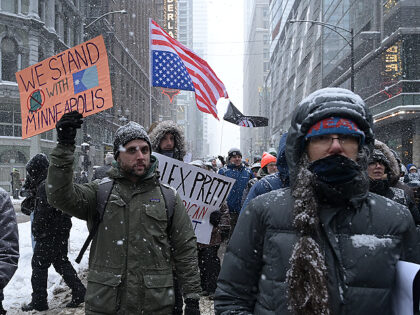
In the heat of a chaotic Minneapolis street confrontation, Border Patrol agents opened fire on suspects wielding what appeared to be firearms, sparking immediate outrage from anti-police activists and politicians eager to paint it as another case of rogue feds. But here’s the crux that the headlines are burying: U.S. Customs and Border Protection’s (CBP) Use of Force policy is laser-focused on the objectively reasonable standard straight out of Graham v. Connor (1989)—the Supreme Court precedent that judges split-second decisions based on what the officer perceived in the moment, not armchair critiques from viral videos or Twitter mobs. Agents aren’t Monday-morning quarterbacks; they’re evaluated on the fog of war they faced, including the suspects’ aggressive movements and the imminent threat of deadly force. This isn’t a loophole—it’s constitutional bedrock designed to protect those who protect us from hindsight bias that could paralyze law enforcement.
For the 2A community, this story is a flashing neon reminder of why shall-issue carry rights and qualified immunity matter more than ever. Just as concealed carriers face the same Graham standard in self-defense shootings—where your reasonable fear of death or great bodily harm justifies drawing your Glock—these agents’ actions underscore that policy aligned with the Constitution shields good actors from bureaucratic witch hunts. Imagine if every defensive gun use got dissected frame-by-frame by activists demanding de-escalation until the last possible second; we’d have open season on armed citizens. CBP’s reliance on federal court interpretations here sets a pro-LE template that bolsters civilian carry defenses, pushing back against the post-Ferguson narrative that equates split-second survival with criminality. If this holds (and early indicators say it will), it’s a win for everyone who values the right to keep and bear arms without fear of prosecutorial overreach.
The implications ripple outward: as border crises escalate and urban violence spills into federal jurisdiction, expect more such incidents where agents—often outgunned and outnumbered—lean on these policies. For 2A advocates, it’s prime time to amplify this in op-eds and amicus briefs, linking CBP standards to state self-defense laws and hammering home that objective reasonableness is our shared armor against defund-the-police zealots. Politicized reviews might grab clicks, but the law favors the defender who acts decisively. Stay vigilant—this isn’t just about Border Patrol; it’s your permit, your holster, your life on the line.


