

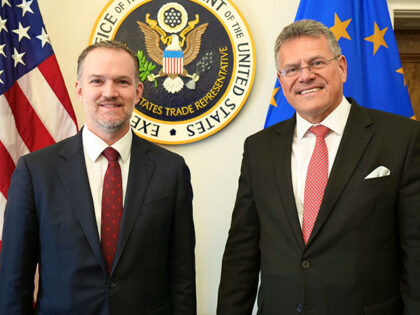
Ambassador Jamieson Greer, the U.S. Trade Representative, just dropped a bombshell that’s got supply chain wonks buzzing: a fresh US-EU pact to synchronize trade policies and bulletproof our access to critical minerals. We’re talking lithium, cobalt, rare earths—the lifeblood of everything from EV batteries to high-tech electronics. This isn’t some fluffy diplomatic photo-op; it’s a strategic maneuver to wean off overreliance on China, which currently dominates 60-90% of global production for these goodies, per USGS data. In a world where Beijing’s been flexing export controls as geopolitical weapons (remember the 2010 rare earth embargo on Japan?), this deal signals a transatlantic team-up to diversify sources, ramp up recycling, and fast-track permitting for domestic mining. Greer’s announcement frames it as resilience, but let’s call it what it is: economic warfare by other means.
For the 2A community, this hits closer to home than you might think. Firearms manufacturing thrives on precision components—think neodymium magnets in AR-15 optics, tungsten alloys for penetrator rounds, or cobalt in high-end tool steels for barrels and suppressors. Disruptions in these minerals have already jacked up prices and delayed production; during COVID shortages, we saw lead and primer costs skyrocket, and that’s low-hanging fruit compared to rare earths. China’s grip has forced black-market premiums on components, echoing the ammo droughts that turned gun owners into backyard reloaders. This US-EU alignment could stabilize supplies, lower costs for American makers like Sig Sauer or Daniel Defense, and blunt Beijing’s ability to choke our industry in a Taiwan flare-up. It’s pro-2A by proxy: more resilient minerals mean more affordable, available guns and ammo, fortifying the armed citizenry against whatever global curveballs come next.
The implications ripple wider—expect allied mining booms in places like Greenland or Australia’s outback, plus incentives for U.S. projects like the Mountain Pass rare earth mine, now humming at 15% of global output. Critics might cry green new deal in disguise with all the ESG talk, but for Second Amendment advocates, it’s a win: securing the industrial base that underpins our right to keep and bear arms. Keep an eye on implementation; if Greer delivers, this could be the supply chain shield we’ve needed since the ’90s outsourcing binge. Stay vigilant, stock those components, and celebrate a rare bipartisan flex for American strength.


