
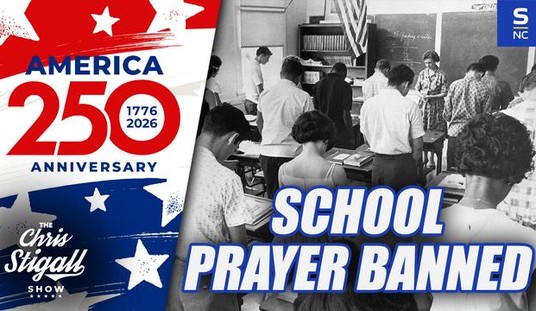
In 1962, the Supreme Court handed down Engel v. Vitale, a seismic ruling that struck down a simple, voluntary school prayer in New York—a 22-word nondenominational invocation recited before classes. The decision wasn’t just about faith; it marked the beginning of a relentless judicial crusade to scrub religion from public life, prioritizing a radical interpretation of the Establishment Clause over the free exercise of belief. Chief Justice Warren’s opinion leaned on precedents like Everson v. Board of Education (1947), which imported the wall of separation metaphor from Jefferson into federal law via the 14th Amendment. Critics, including Justice Stewart’s fiery dissent, warned it elevated atheism to state orthodoxy, effectively banning prayer not because it coerced anyone, but because it might offend the sensibilities of a few. Fast-forward, and this precedent paved the way for further erosions like Abington School District v. Schempp (1963), which axed Bible readings, signaling to Americans that their foundational moral anchors were fair game for activist courts.
For the 2A community, Engel v. Vitale isn’t ancient history—it’s a stark blueprint of how the judiciary can redefine shall not be infringed through selective constitutional alchemy. Just as the Court twisted the First Amendment to ban voluntary prayer under the guise of neutrality, modern gun-grabbers invoke the same 14th Amendment incorporation tricks to morph the Second into a mere collective right or public safety carve-out, as seen in cases like Bruen (2022) pushback. The parallels are chilling: both the prayer ban and assault on carry rights stem from elite discomfort with armed, faithful citizens who draw from Judeo-Christian ethics to assert natural rights. When schools became godless zones post-1962, they morphed into petri dishes for violence—shootings skyrocketed as moral formation crumbled, underscoring why disarmed, deracinated kids are sitting ducks. 2A advocates must champion school choice, armed teachers, and constitutional carry not just as self-defense, but as bulwarks against the same secular tyranny that outlawed a child’s morning prayer.
The implications scream vigilance: if courts can ban prayer without a single vote from the people, what’s stopping them from banning your sidearm next? Engel reminds us that rights aren’t self-enforcing; they’re defended by a culture unafraid to invoke God-given liberties. Pro-2A warriors, arm yourselves with history—restore prayer in schools, fortify the right to keep and bear, and reject the myth that government knows best. Faith and freedom aren’t rivals; they’re allies in the fight against centralized control. Tune into Faith & Freedom 250 Episode 15 for the full breakdown—it’s ammo for your intellectual magazine.


