
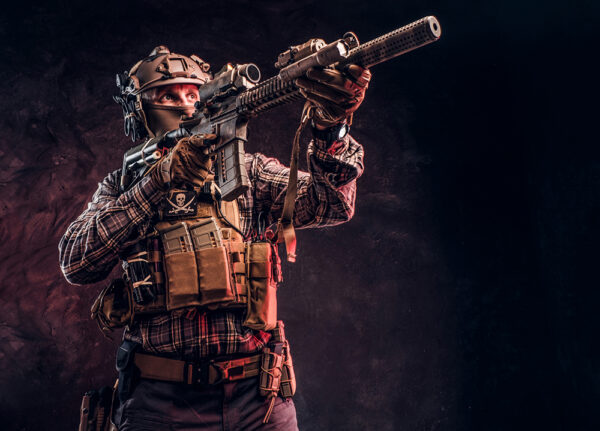
Imagine a world where private American citizens, armed with modern firepower and a government-issued green light, could legally hunt down Mexican drug cartels like the high-seas pirates of old. That’s the bold vision behind bills drafted by Congressman Tim Burchett and Senator Mike Lee, invoking the rarely used Letters of Marque from Article I, Section 8 of the Constitution. These letters would authorize private operators—think well-equipped contractors or even 2A enthusiasts with the right backing—to strike cartel assets, seize fentanyl shipments, and disrupt their operations across the border. It’s not some fever dream from a Tom Clancy novel; it’s a direct response to the cartels’ war on America, flooding our streets with poison that kills over 100,000 citizens yearly, outpacing cartel violence in Mexico itself.
This isn’t just pirate cosplay—it’s a constitutional masterstroke that flips the script on endless foreign aid and toothless diplomacy. Historically, Letters of Marque turned merchants into privateers during conflicts like the War of 1812, capturing enemy prizes for profit while bolstering national defense. Burchett and Lee are repurposing this for the 21st century, targeting Sinaloa and CJNG kingpins who operate as de facto states with private armies. For the 2A community, the implications are electric: it validates armed self-defense on a national scale, potentially unleashing a new era of privatized warfare where skilled shooters with AR-15s, precision rifles, and drone tech could claim bounties on cartel boats or labs. Critics will cry mercenary madness, but proponents point to successes like Blackwater in Iraq—minus the scandals—and argue it’s cheaper than stationing troops or begging Mexico for action.
The real game-changer? This empowers the armed citizenry, blurring lines between defense and offense in ways that honor the Founders’ intent. If passed, it could spawn a boom in private security firms specializing in counter-cartel ops, training grounds for vets and civilians alike, and a cultural shift where 2A rights extend to proactive protection of the homeland. Burchett’s bill even ties payouts to verified captures, incentivizing results over bureaucracy. As cartels evolve with submarines and RPGs, why not let free-market firepower evolve faster? This is 2A evolution—private hands on the trigger, Constitution in the crosshairs, and justice delivered cartel-style. Stay tuned; if it gains traction, your range day might just turn into recruitment season.


