
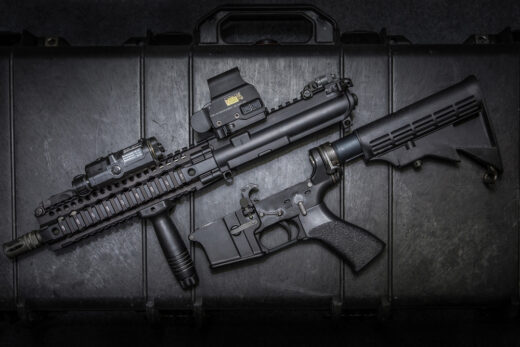
Imagine a time when gangsters like Al Capone ruled the streets with Tommy guns blazing, and lawmakers, desperate to rein in the chaos of Prohibition-era violence, swung a legislative sledgehammer that accidentally—or perhaps not so accidentally—smashed right into the heart of America’s rifle and shotgun traditions. The National Firearms Act of 1934 (NFA) was born from this frenzy, ostensibly targeting machine guns, silencers, and destructive devices that turned urban battlegrounds into war zones. But here’s the clever twist that trapped short-barreled rifles (SBRs) and short-barreled shotguns (SBSs) in its web: they weren’t the primary villains. SBRs and SBSs got swept up because of their gangster appeal—compact, concealable firepower that mirrored the sawed-off shotguns favored by bootleggers and the trench guns that haunted WWI memories. Congress, in a broad-strokes panic, defined them by arbitrary barrel lengths (under 16 inches for rifles, 18 for shotguns) without solid crime data, folding them into the $200 tax stamp regime that endures today. It was less about evidence and more about optics, a classic case of guilt by aesthetic association.
Fast-forward to today, and this 90-year-old relic still handcuffs 2A enthusiasts, forcing law-abiding citizens through a Byzantine ATF gauntlet of fingerprints, photos, CLEO sign-offs (now notified only), and endless wait times just to exercise their rights on a home-defense AR pistol alternative or a compact HD shotgun. The analysis sharpens when you consider the hypocrisy: modern mass shootings often involve full-length rifles or handguns, not NFA curiosities, yet SBRs languish in regulatory purgatory while states like California ban them outright. This isn’t accident—it’s the enduring blueprint of incrementalism, where reasonable restrictions calcify into de facto bans, chilling innovation like pistol braces (RIP, ATF Rule 2021R-05F) and fueling black markets.
For the 2A community, the implications scream urgency: the NFA’s birthday keeps getting celebrated with calls for modernization that mean outright abolition. Groups like GOA and FPC are chipping away via lawsuits (e.g., challenges to arbitrary classifications), but real relief demands Hearings Act repeal or full NFA sunset. Until then, SBR/SBS owners are canaries in the coal mine—own one, and you’re funding your own oppression with that tax stamp. Time to rally: share this history, support pro-2A litigation, and vote like your next build depends on it. Because it does.


