
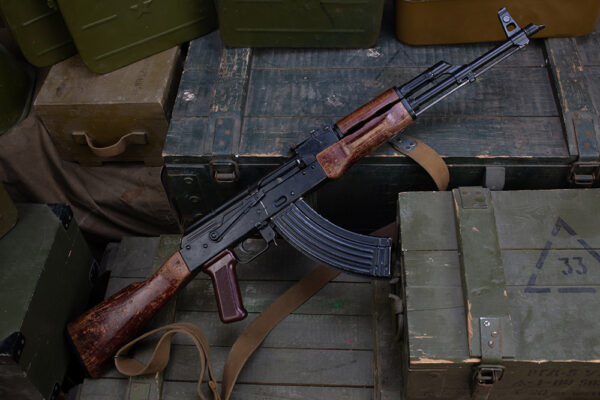
Iran’s iron-fisted gun control regime—complete with draconian penalties like execution for illegal possession—has crumbled under the weight of its own oppression, even before any external strikes rattled the mullahs. Reports reveal a booming black market where Glocks, Makarovs, and Kalashnikovs flow freely, transacted via untraceable cryptocurrency networks. Desperate civilians, facing brutal crackdowns from the regime’s Basij militias and IRGC thugs, are arming themselves en masse. This isn’t some fringe anomaly; it’s a textbook case of human nature prevailing over tyranny. When governments disarm the people while hoarding firepower for their enforcers, underground economies explode, proving that bans don’t stop determined defenders—they just empower criminals and regimes.
Dig deeper, and the parallels to America’s endless gun control debates scream for attention. Iran’s strict laws mirror the fantasies of U.S. anti-2A politicians: universal registration, red-flag seizures, and felony status for everyday carry. Yet here, amid protests sparked by Mahsa Amini’s murder in 2022, ordinary Iranians have smuggled in over 100,000 firearms, according to dissident networks. Crypto payments bypass sanctions and surveillance, echoing how 3D-printed guns and ghost kits evade ATF overreach today. The implication? Disarmament doesn’t foster peace; it breeds resistance. In Tehran’s alleys, Glocks symbolize liberty’s last stand, much like the AR-15 does for American patriots wary of federal overreach.
For the 2A community, this is rocket fuel for advocacy. Iran’s failure validates the Founders’ wisdom: an armed populace checks tyranny, as James Madison noted in Federalist 46. While Bloomberg-funded groups push common-sense restrictions, Iran’s black market reminds us that rights delayed are rights denied—people will innovate around bans, often at great peril. Support pro-2A legislation, stock your safe, and share this story: when the state fails its people, self-reliance endures. The ayatollahs learned it the hard way; let’s ensure our leaders never do.


