

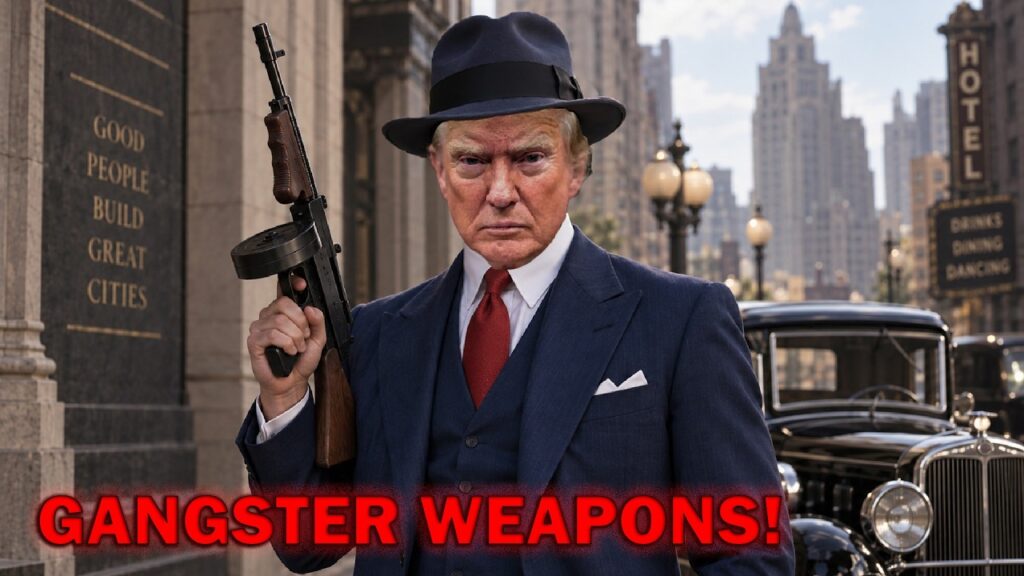
President Donald Trump publicly ordered the Justice Department not to appeal two Northern District of Texas decisions—Jensen v. ATF and Silencer Shop Foundation v. ATF—that relieve National Firearms Act registration and related requirements for short-barreled rifles, short-barreled shotguns, and suppressors for the plaintiffs and their customers. The announcement followed a weekend recap of Second Amendment actions, including ending a Biden-era dealer enforcement policy, eliminating the $200 federal tax on suppressors, restoring gun rights for more than 70,000 veterans, and withdrawing from a U.N. conventional-arms register.
What the host said
VSO host argued the listed accomplishments were “factual statements” and “solid,” but said the record “should have been a lot thicker.” On the Texas cases, he said creators had reported the non-appeal decision weeks earlier through back channels and that it was now public. He rejected CBS-style framing that the items are uniquely dangerous or easily concealable, saying shorter barrels typically mean lower velocity and that “knocking 2 in of barrel off doesn’t make something more concealable.”
“I would call that a feature, not a flaw.”
He was responding to reporting that the rulings are already complicating some firearms prosecutions. He also said only a minority of DOJ personnel, in his view, insist unconstitutional statutes must still be defended.
Pros, cons, and specs in the coverage
- Pros (as presented): Non-appeal leaves in place relief from NFA registration for covered SBRs, SBS, and suppressors for plaintiffs and downstream buyers; host treats reduced prosecutorial leverage as a plus; tax zero-out is cited as undercutting the 1934 taxing rationale.
- Cons (as presented by outlets and unnamed DOJ sources): Labels such as “gangster weapons”; claims of greater danger and concealability; alleged harm to criminal cases; tension with DOJ’s duty to defend statutes if a reasonable basis exists.
- Specs / legal notes: NFA of 1934; $200 making/transfer tax zeroed in recent legislation; August ruling by a Trump-appointed Texas district judge; ATF expected to issue industry guidance; DOJ to brief Congress rather than appeal.
The host closed by saying legacy coverage was “losing their [mind]” and that press-credential fights followed what he called falsehoods about the weapons and the department’s internal views.


