

Case Background
A Frisco, Texas jury convicted a defendant of first-degree murder in the death of Austin Metcalfe after less than three hours of deliberation, imposing a 35-year sentence. The rapid verdict drew little public controversy until U.S. Rep. Jasmine Crockett revisited the evidence on her podcast, focusing on the weapon’s dimensions rather than the legal findings.
Podcast Remarks and Reaction
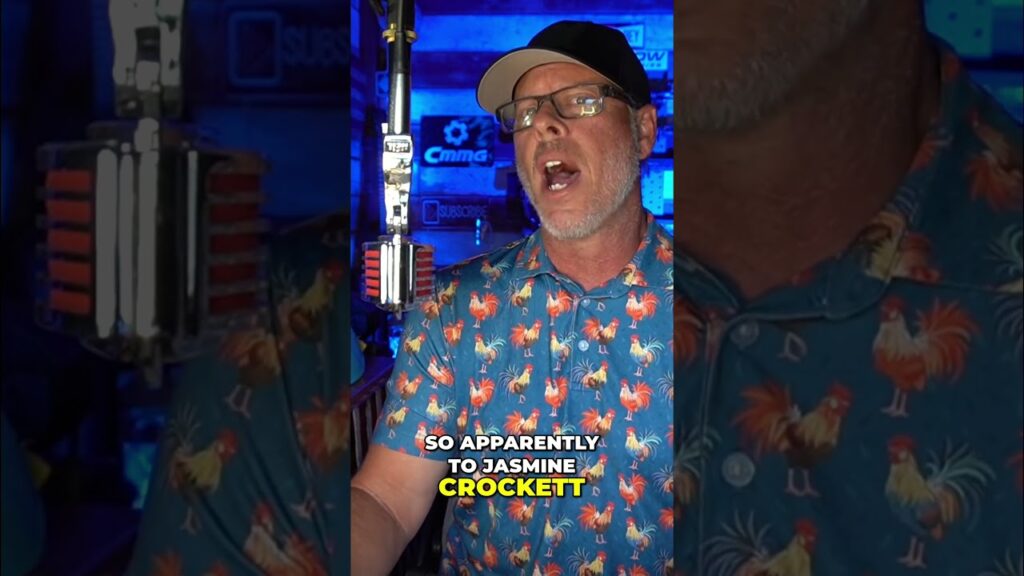
During the episode, Crockett suggested the blade was too small to meet the statutory definition of a deadly weapon. “I would have argued the size of it alone, you wouldn’t even think it’s a deadly weapon. And it’s not a knife,” she said, comparing the item to a multi-tool equipped with scissors. The host of “Legally Armed America” countered that the recovered weapon was in fact a 3.5-inch fixed-blade Trail 6-in-1 multi-tool, not the miniature Swiss-Army-style implement described on the podcast.
Pros, Cons, and Specifications
- Pros: The jury’s swift consensus reflected confidence in the prosecution’s evidence; the 35-year sentence signals judicial seriousness toward knife-related homicides.
- Cons: Crockett’s emphasis on blade length risks conflating weapon size with legal classification, potentially confusing viewers about Texas deadly-weapon statutes.
- Specifications: Recovered blade measured approximately 3.5 inches; marketed as the Trail 6-in-1 multi-tool; described by the host as comparable in size to a standard folding knife rather than a miniature multi-tool.
The exchange highlights an ongoing public debate over how physical dimensions should factor into criminal culpability when a knife is used in a fatal altercation.


