

Overview
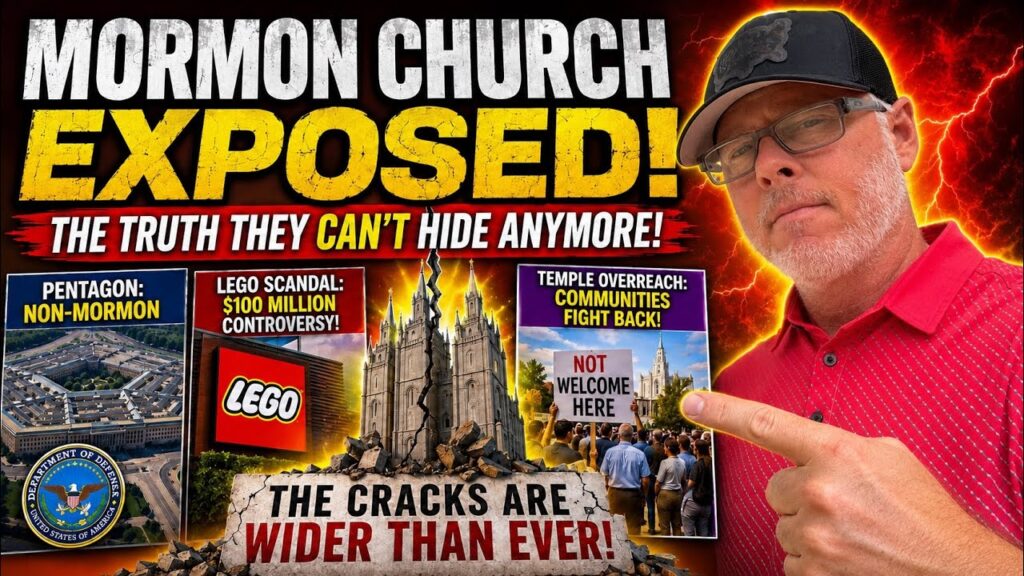
The Church of Jesus Christ of Latter-day Saints is facing renewed public scrutiny after the Pentagon streamlined its religious affiliation codes, placing the faith in a separate category rather than under the general Christian designation. The decision aligns with long-standing theological distinctions, including the church’s rejection of the Nicene Creed and its teaching that God the Father possesses a physical body. At the same time, independent surveys indicate flat or declining active membership in the United States, with retention rates reportedly near 50 percent among those raised in the faith.
Pros
- Global expansion continues with 55 new missions announced, which church leaders cite as evidence of growth.
- Corporate headquarters eventually severed ties with implicated franchise owners and offered compensation in the Lego-related dispute.
Cons
- Active participation outside Utah reportedly falls to 10–30 percent in many regions.
- Multiple temple projects face local opposition over size, traffic, and skyline impact in towns such as Fairview, Texas; Springfield, Missouri; and Missoula, Montana.
- Ongoing lawsuits allege mishandling of misconduct reports, with critics claiming internal hotlines prioritize institutional protection.
- The church was fined millions by the SEC for using shell companies to obscure billions in assets.
Specs
- Pentagon reduced religious codes from over 200 to 31 categories; Latter-day Saints listed separately between Seventh-day Adventists and world religions.
- Rebranding campaign launched in 2018 under President Russell M. Nelson, redirecting the multimillion-dollar mormon.org domain and pressuring media outlets to use the full name.
- Former advertising included the site mormon.org and the film “Meet the Mormons.”
“The Department of War looked at the facts and made their decision. The public is looking at the data and they see the truth,” host Paul Glasco stated. He also noted, “Transparency is the one thing these massive organizations fear the most.”


