

Overview
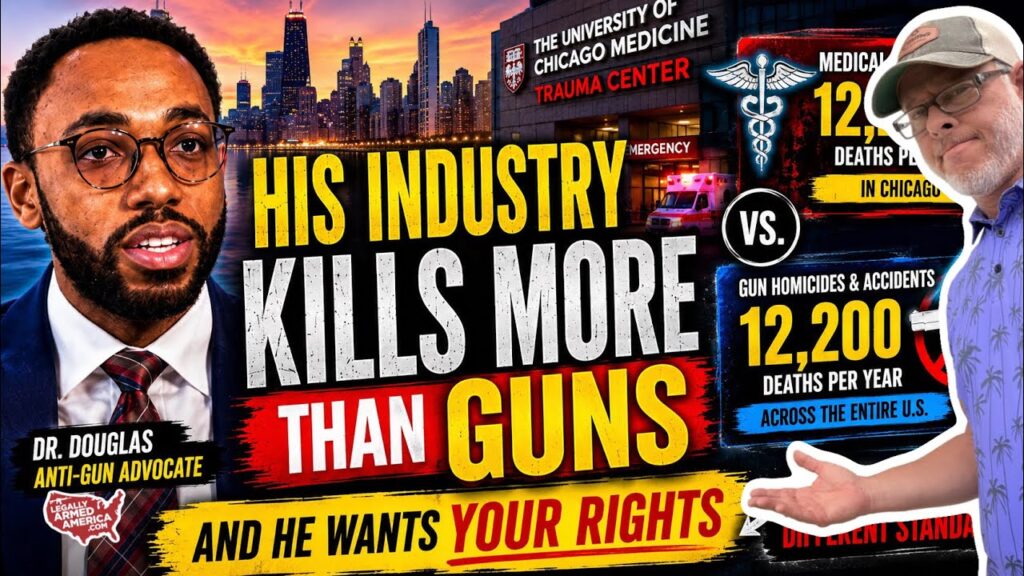
A surgical resident at the University of Chicago is backing House Bill 3320, known as the Rifle Act, which would require firearm manufacturers to obtain a state license to sell guns in Illinois. The measure would tie licensing fees to the number of a company’s firearms recovered at crime scenes, with total collections capped at $866 million in the first year. Supporters frame the plan as a public-health response to gun violence, while critics call it an attempt to impose costs that will ultimately be passed on to buyers.
Pros
- Would generate up to $866 million annually for Illinois programs addressing gun-related injuries.
- Seeks to hold manufacturers financially accountable for firearms later used in crimes.
- Positions gun violence as a public-health issue requiring industry-level intervention.
Cons
- Could raise retail prices, potentially pricing lower-income residents out of legal firearm ownership.
- Bypasses the federal Protection of Lawful Commerce in Arms Act by using a licensing fee instead of direct litigation.
- Critics argue the funds may become a general revenue source rather than dedicated victim support.
Key Figures and Context
Host Paul Glasco questioned the proposal’s focus, noting: “I think poor people don’t benefit from owning firearms,” a statement attributed to the resident physician during legislative testimony. Glasco contrasted gun-related deaths with medical-error statistics, citing a Johns Hopkins study that estimates 250,000 to 440,000 annual U.S. deaths from medical mistakes—roughly 20 to 35 times the number of gun homicides. He also highlighted that Illinois ranks fourth nationally in medical-malpractice payouts and asked why similar financial accountability measures are not applied to hospitals.


