

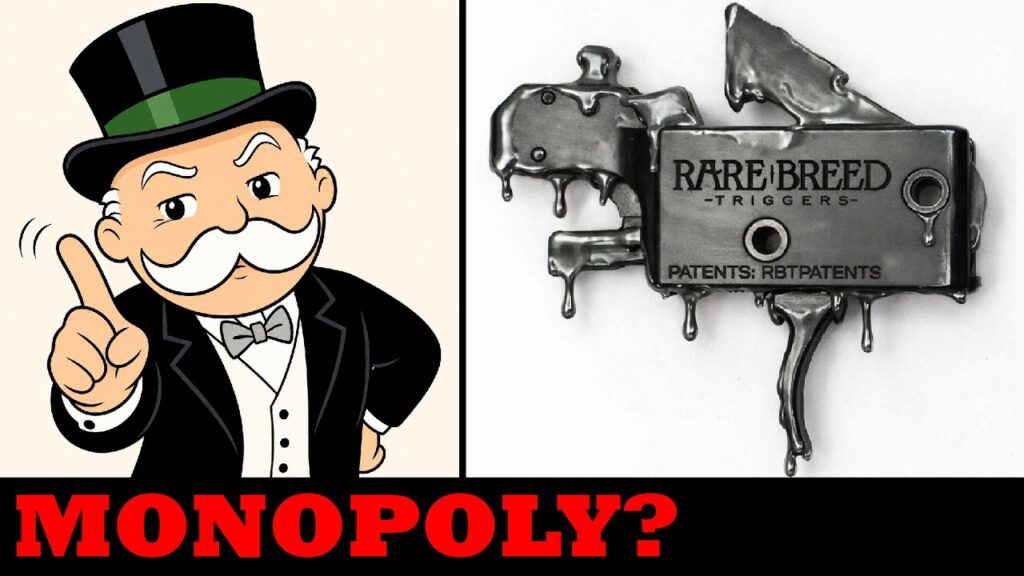
In a recent congressional hearing, ATF Director Sacuta addressed ongoing questions about the legal status of forced-reset triggers following the Department of Justice’s settlement with Rare Breed Triggers. The director emphasized that the agreement was narrowly tailored to the specific mechanics of Rare Breed’s FR-15 trigger and does not automatically extend to other rate-increasing devices. He noted that the agency continues to evaluate other products on a case-by-case basis to determine whether they fall under the settlement or remain classified as machine-gun conversion devices.
Key Points from Testimony
- The settlement resolved litigation involving only Rare Breed’s force-reset trigger, not the broader category of forced-reset designs.
- ATF agents are instructed to examine new devices to see if they operate identically to the Rare Breed product or fall into previously banned categories such as drop-in auto sears.
- Rate of fire alone does not determine classification; the statutory definition hinges on a single function of the trigger.
Host’s Reaction and Concerns
VSO Gun Channel host welcomed the clarity but expressed unease about the arrangement that effectively positions Rare Breed as the government’s enforcer of patent rights. “I don’t really appreciate the status that has been created by the settlement where Rare Breed essentially acts as the government’s enforcer,” the host stated. He also flagged the settlement’s restriction against Rare Breed producing handgun variants, noting that other companies have since entered that market.
Implications for Industry
The testimony suggests the ATF may apply the same technical criteria used in the Rare Breed case to similar trigger packs, potentially expanding the scope of the settlement without new litigation. Manufacturers are advised to submit devices for agency review rather than assume automatic legality. The director’s remarks stop short of declaring a government-sanctioned monopoly but leave open the possibility that other forced-reset designs could receive comparable treatment if they match the approved mechanical operation.


