

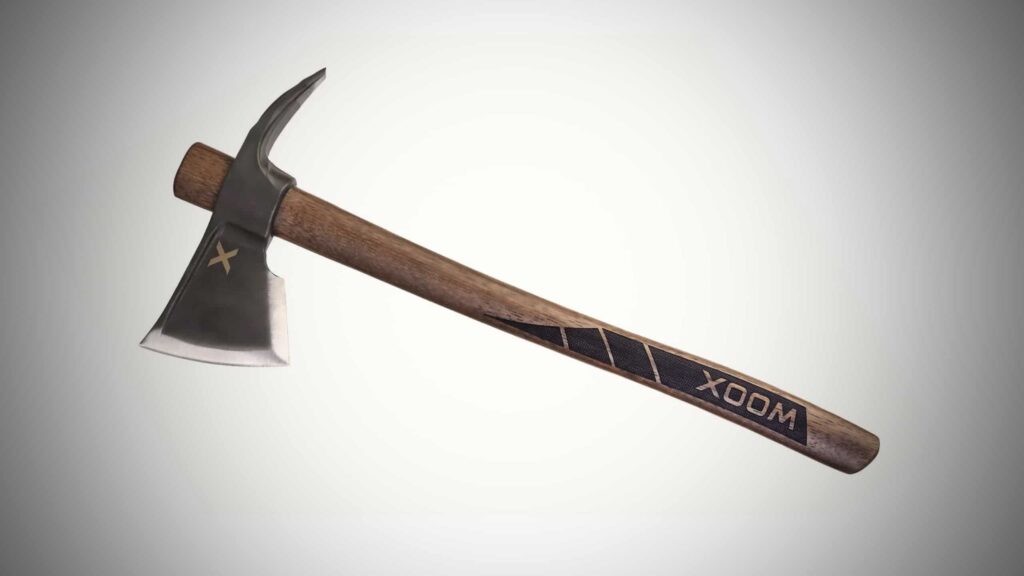
In a world where the line between preparedness and paranoia keeps getting thinner, the survival axe has quietly become one of the most under-appreciated tools in the modern prepper’s kit. While the headlines chase the latest optics and micro-compacts, the axe remains a low-tech, high-utility workhorse that bridges the gap between bushcraft and self-reliance. Its value isn’t just in splitting kindling or clearing brush; it’s in the psychological edge it gives when the grid goes dark and the rule of law starts to look optional. For the 2A community, that edge matters—because the same mindset that values an AR-15 also recognizes that a well-made axe can clear a path, build a shelter, or defend a perimeter when ammunition is scarce and every swing counts.
What makes the survival axe conversation timely is how it reframes the Second Amendment debate itself. Rights aren’t just about the hardware you can carry; they’re about the skills and tools that let you remain independent when systems fail. A quality axe doesn’t require a background check, doesn’t run out of batteries, and doesn’t care whether the latest executive order targets “assault weapons.” It’s a reminder that preparedness is holistic—firearms, blades, and axes all serve the same underlying principle: the individual’s right to provide for their own security and sustenance. In that sense, the axe isn’t a downgrade from a rifle; it’s a parallel expression of the same liberty-minded ethos.
The deeper implication for gun owners is that diversification of capability beats single-point reliance. When the conversation turns to “what happens after the last round is fired,” the survival axe becomes more than a backup—it becomes proof that the 2A community has always understood resilience as a layered strategy. Whether you’re bugging out, hardening a homestead, or simply teaching the next generation that freedom includes the ability to work with your hands as well as defend with them, the axe earns its place. In an era obsessed with the newest polymer-framed wonder, sometimes the oldest tools still carry the clearest message: liberty isn’t just about what you own; it’s about what you can do when everything else is stripped away.


