

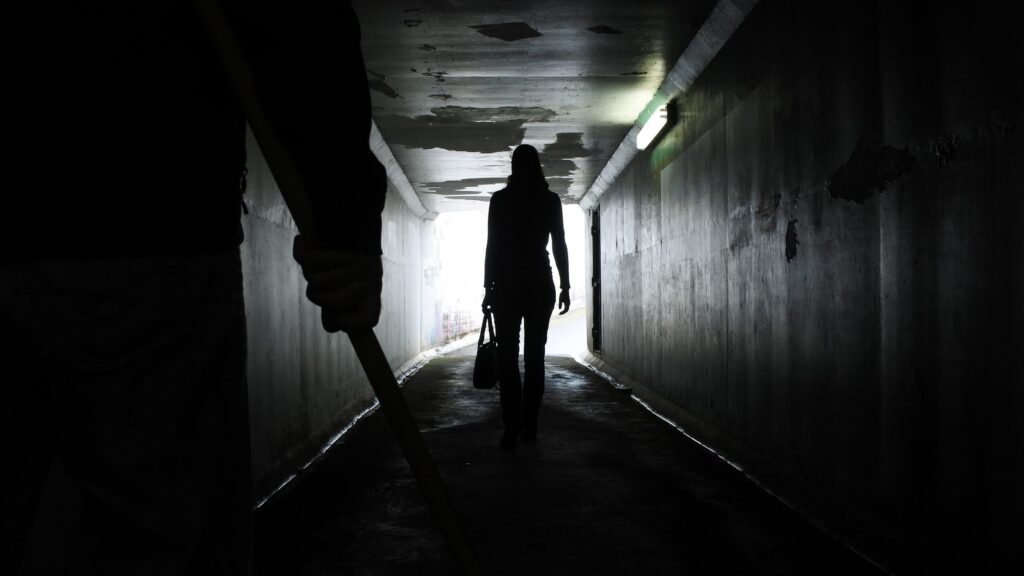
When it comes to carrying concealed, the line between justified self-defense and a life-altering mistake often hinges on split-second decisions that no training video can fully replicate. The July 12th piece reminds readers that simply having a permit doesn’t grant immunity from poor judgment; brandishing or firing when a verbal de-escalation or tactical retreat was still viable can turn a law-abiding carrier into a defendant overnight. For the 2A community, this underscores why “shall-issue” victories must be paired with rigorous, scenario-based instruction that stresses legal aftermath as much as marksmanship—otherwise, every new permit holder risks becoming the cautionary tale that fuels the next round of restrictive legislation.
Equally important is recognizing how rapidly evolving castle-doctrine and stand-your-ground statutes interact with body-cam and cell-phone footage that prosecutors now treat as Exhibit A. A carrier who draws too quickly in a road-rage encounter or during a heated domestic dispute may technically be within the letter of the law yet still face civil suits, loss of carry rights, and public-relations damage that chills broader support for constitutional carry. The article’s timing—mid-2026, with several states freshly expanding permitless carry—serves as a reality check: rights exercised without commensurate responsibility invite the very political backlash the community has spent decades fighting.
Ultimately, the piece reframes “When Is Using Your CCW a Mistake?” less as a tactical riddle and more as a cultural imperative. The 2A movement’s long-term viability depends on demonstrating that armed citizens are not only skilled but discerning—willing to holster when the threat threshold hasn’t been crossed. That discipline protects individual lives, preserves jury sympathy, and keeps the narrative of responsible gun ownership front and center against opponents eager to paint every defensive gun use as reckless vigilantism.


