

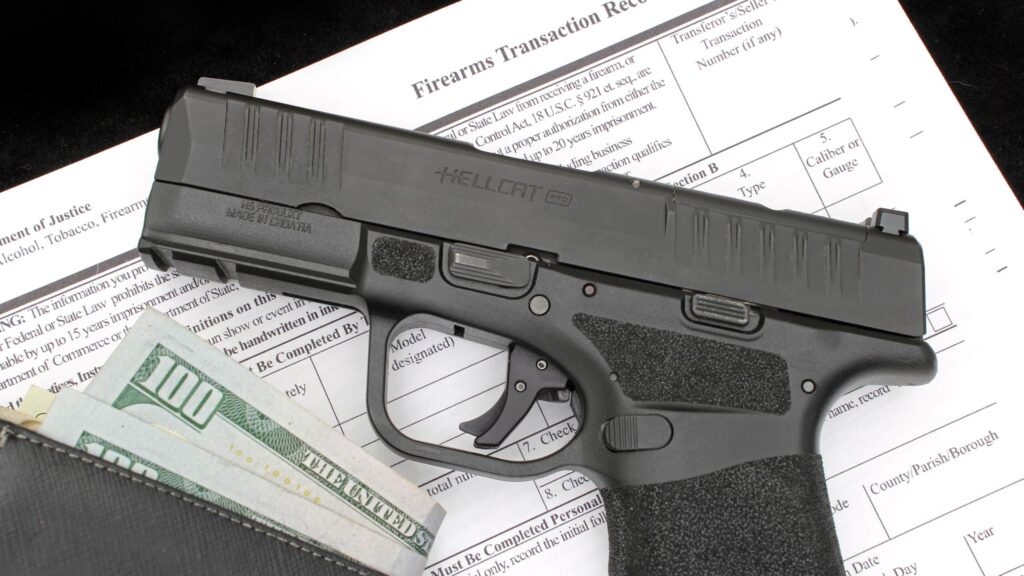
First-time gun buyers are flooding gun stores and online marketplaces at record rates, and the two mistakes Clayton Walker highlights are the ones that turn an exciting milestone into an expensive lesson or worse. The first is treating the purchase like buying a new phone—impulse, no research, no training—while the second is skipping the fundamentals of safe storage and legal responsibility. Both errors are amplified by today’s political climate: panic buying driven by election cycles and social unrest often leaves new owners with a firearm they barely understand and zero plan for what comes next. The result is a growing cohort of gun owners who may inadvertently fuel the very narratives the anti-2A crowd loves to exploit: accidental discharges, unsecured guns in homes with children, or defensive uses that get twisted in court because the owner never learned the legal standard for “reasonable fear.”
For the broader Second Amendment community, these rookie missteps are more than personal embarrassments; they’re soft spots in the cultural armor. Every negligent discharge that could have been prevented by a $50 class or a simple biometric safe becomes Exhibit A in the next round of magazine bans or “red flag” proposals. Conversely, when first-time buyers invest in training, join local shooting clubs, and store their firearms responsibly, they become the most credible ambassadors for the right to keep and bear arms. They vote, they recruit friends, and they demonstrate that lawful gun ownership is a skill set, not a fashion statement. The industry’s job isn’t just to sell guns—it’s to convert customers into competent, confident citizens who strengthen rather than dilute our constitutional position.
Walker’s piece is ultimately a reminder that the future of the Second Amendment will be decided less by how many guns are sold and more by how many new owners become safe, educated, and politically engaged. The two biggest mistakes aren’t just bad for the individual buyer; left unchecked, they’re bad for all of us.


