

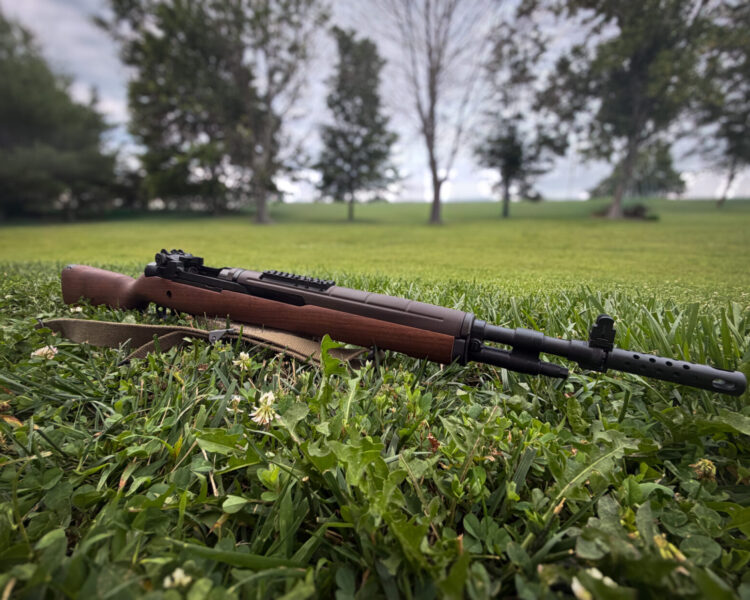
The Springfield M1A endures not because it’s the newest or the lightest, but because it remains one of the few production rifles that still feels like a direct descendant of the battle-proven M14—wood, steel, and all. In an era when polymer frames and direct-impingement gas systems dominate the shelves, the M1A’s gas-piston, rotating-bolt architecture offers a tangible link to the last time the U.S. military issued a full-power, semi-automatic rifle to every infantryman. That continuity matters to shooters who view the Second Amendment as more than a policy preference; it’s a living connection to the tools and traditions that shaped American marksmanship culture for generations.
What keeps the rifle selling at ever-higher prices is precisely what modern competitors often strip away: mechanical transparency and serviceability. Owners can still field-strip the M1A with minimal tools, source USGI or aftermarket parts without proprietary headaches, and tune the gas system for everything from match loads to surplus ball. In a market increasingly defined by closed-source electronics and serialized lower receivers that discourage tinkering, the M1A quietly functions as a rolling referendum on whether civilian access to robust, repairable, full-caliber rifles is still valued. Its continued popularity signals that a meaningful slice of the 2A community is willing to pay a premium for a platform that refuses to be obsoleted by marketing cycles.
For the broader rights debate, the M1A’s persistence is a reminder that “common use” is not merely a legal test but a cultural one. As long as civilians keep training with, collecting, and customizing these rifles, arguments that semi-automatic, magazine-fed, .308-chambered firearms are unusual or unnecessary ring hollow in both courtrooms and town halls. The rifle’s rising price tag may price out some buyers, yet the very fact that demand refuses to collapse underscores how deeply the right to keep and bear effective arms is still exercised—and defended—by those who see the M1A as both heirloom and hedge.


