

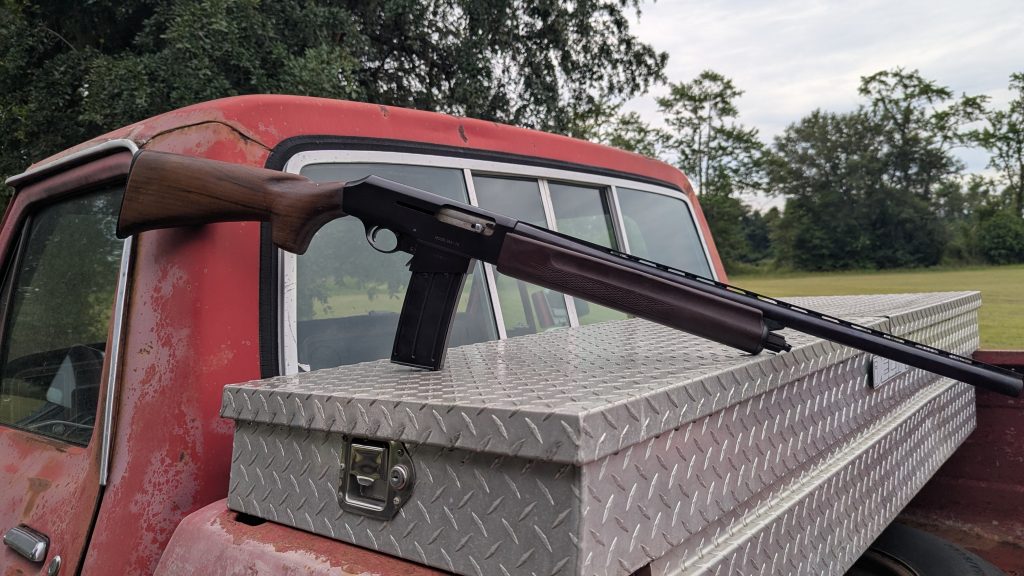
The SAS-12’s bargain-basement price tag wasn’t a miracle of efficient manufacturing; it was the predictable result of a company that treated every component as an expense to be minimized rather than a safety-critical part. Where reputable makers invest in proof testing, consistent heat treatment, and metallurgy that can survive thousands of high-pressure shells, the SAS-12’s builders apparently decided that “good enough to ship” was the same thing as “safe to own.” The result is a shotgun whose bargain status evaporates the moment a shooter needs it to cycle reliably or contain a hot load—exactly the moment when a defensive firearm stops being a toy and becomes a life-saving tool.
For the 2A community this episode is a reminder that the right to keep and bear arms carries an implicit duty to choose equipment that will actually function when seconds count. Cheap imports that skirt basic quality controls don’t just risk the individual owner’s safety; they hand anti-gun activists fresh footage of malfunctions and injuries they can wave in front of cameras as evidence that “more guns” equals “more danger.” When a single substandard shotgun can be used to paint the entire market as reckless, every serious shooter has a stake in steering newcomers toward proven domestic or established-import options that have already survived real-world scrutiny.
Ultimately the SAS-12 story illustrates why price alone is a dangerous proxy for value in the firearms world. A few hundred dollars saved up front can translate into thousands in medical bills, legal exposure, or—worst of all—the loss of trust in the very tools the Second Amendment exists to protect. The community’s long-term credibility depends on demonstrating that we police our own marketplace, rejecting the notion that any gun is better than no gun when the “any gun” in question was built to fail.


