

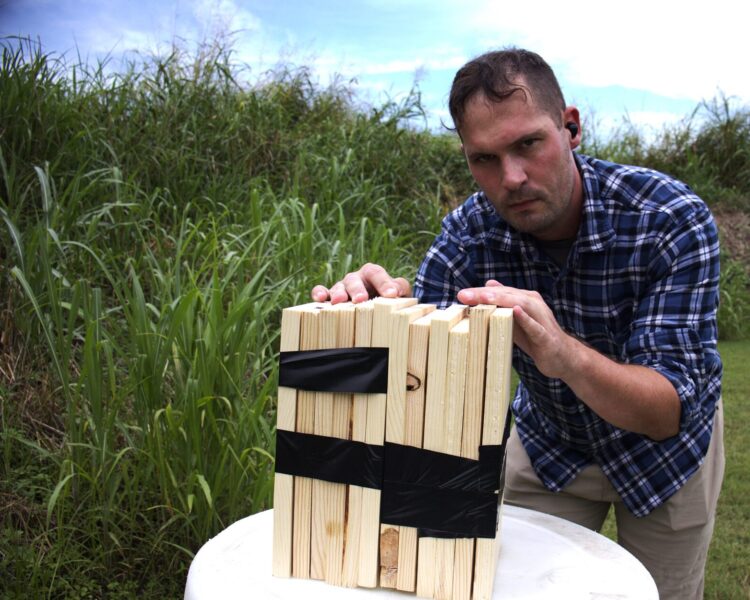
Jim’s side-by-side test of five premium 10 mm bear loads in a Glock 20 is more than a data drop—it’s a reality check for anyone who carries the cartridge as a woods gun. The chronograph numbers show that even the hottest factory offerings hover right around the 1,200–1,300 fps mark from a 4.6-inch barrel, a far cry from the 1,500 fps-plus claims that sometimes circulate on forums. Yet the penetration figures—every load sailing past the FBI’s 12-inch minimum and several topping 20 inches in calibrated gelatin—prove the 10 mm still earns its keep when the bullet is built right. The takeaway isn’t that the cartridge is “weak,” but that velocity hype matters less than sectional density and controlled expansion when the target outweighs you by several hundred pounds.
For the 2A community, the test quietly reinforces why the 10 mm refuses to die despite the 40-plus years since its introduction. In an era when polymer-frame pistols are routinely dismissed as “not enough gun,” Jim’s results demonstrate that a properly loaded 10 mm can meet or exceed the penetration of many traditional revolver cartridges without the weight penalty. That matters for hikers, anglers, and rural property owners who want one firearm that can handle both two- and four-legged threats. It also undercuts the recurring legislative argument that semi-auto pistol calibers are somehow “less legitimate” for outdoor use; data like this makes it harder for regulators to claim the cartridge is unsuitable for backcountry carry.
The broader implication is cultural as much as ballistic. Every time an independent tester publishes transparent numbers instead of marketing copy, the community gains another brick in the wall against both overreach and underestimation. Jim’s work doesn’t just validate the 10 mm as a bear load—it reminds us that rights are defended with facts, and facts come from chronographs and gelatin, not press releases.


