

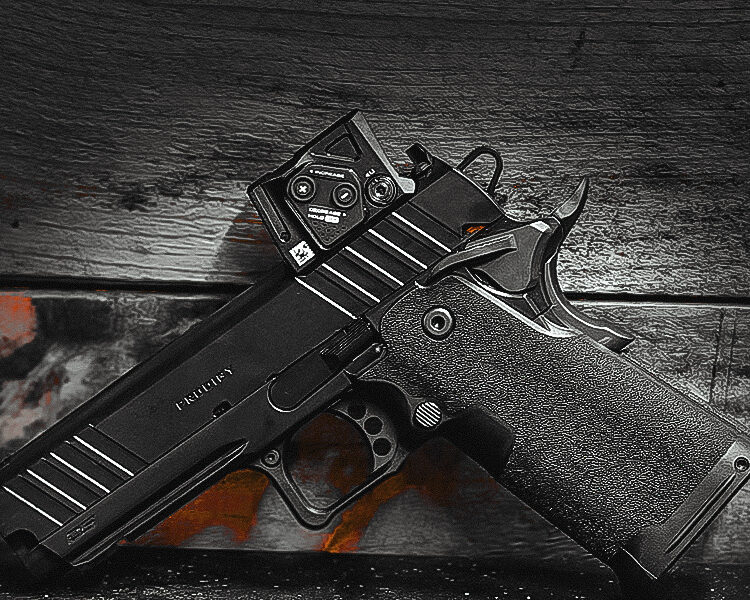
The Springfield Armory 1911 DS Prodigy paired with Aimpoint’s compact COA red dot isn’t just another optics-ready 1911 variant—it’s a deliberate evolution that bridges the 1911’s century-old ergonomics with the modern expectation of a closed-emitter sight that shrugs off rain, dust, and holster wear. After a thousand rounds the platform demonstrated the kind of reliability that matters when a carry gun transitions from range toy to daily driver: consistent lock-back on empty, zero optic shift, and a trigger that stayed crisp rather than spongy. That longevity under hard use quietly validates Springfield’s decision to chamber the double-stack 1911 in 9 mm while retaining classic controls, proving the single-action platform can absorb contemporary defensive loads without the slide battering that once plagued high-round-count 1911s.
For the 2A community this combination carries a deeper signal. A major American manufacturer is now shipping a production 1911 that arrives optics-ready with an enclosed emitter from a Swedish optic house, effectively normalizing red-dot pistols at a time when several states still flirt with “safe handgun roster” restrictions or attempt to limit magazine capacity. The Prodigy’s 17-round flush magazine and optics footprint also illustrate how capacity and shootability can coexist inside a single-action chassis, giving carriers a concrete counter-argument to the notion that modern defensive pistols must abandon heritage designs. In short, the 1,000-round verdict isn’t merely “it runs”; it’s evidence that the 1911, once declared obsolete by some, is being quietly re-engineered to remain relevant in any future regulatory climate.


