

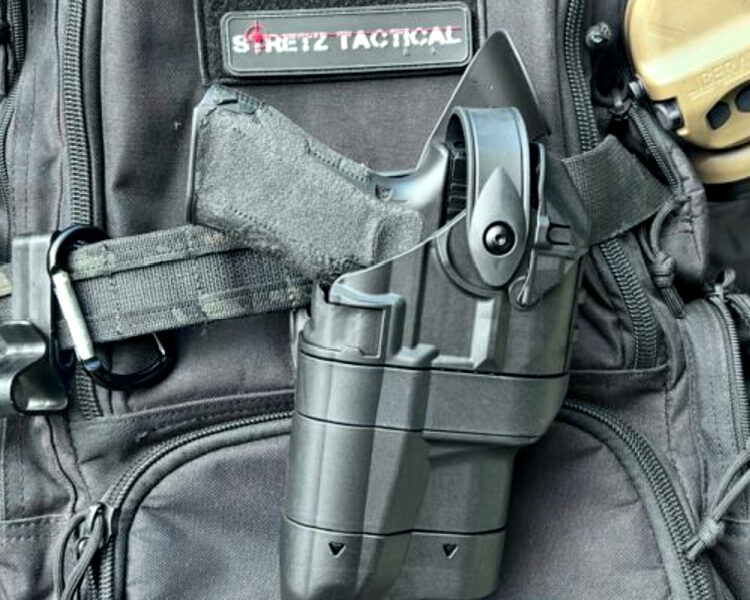
The Safariland Ballast Duty Holster arrives at a moment when duty gear is being asked to do more than simply hold a sidearm—it must survive the unpredictable realities of modern policing while still respecting the rights of law-abiding carriers. Built around a crush-resistant shell and a modular fit system, the Ballast lets agencies standardize on one holster platform even as officers rotate through different pistol generations or optics-ready slides. That flexibility matters: when budgets tighten, departments can avoid re-holstering every new firearm purchase, and private citizens who train with the same hardware gain a consistent draw stroke whether they’re on the range or carrying off-duty.
What sets the Ballast apart is its native Axon integration. By embedding the signal pathway for body-worn cameras and weapon lights, Safariland is acknowledging that evidence capture and low-light engagements are no longer after-market thoughts—they’re part of the initial design spec. For the 2A community, this convergence of holster and technology underscores a larger point: gear that meets professional standards can also serve lawfully armed citizens who want the same reliability their tax dollars fund for law enforcement. The retention hood and adjustable ALS lock translate directly to peace of mind on a nightstand safe or inside a vehicle console, where an accidental discharge or unauthorized access scenario is every bit as consequential as it is on patrol.
Ultimately, the Ballast’s arrival signals that the duty holster market is maturing beyond the old “LE-only” mindset. When companies engineer products around duty-tough specs and then sell them openly, they reinforce the principle that the tools of lawful self-defense should be accessible to everyone who meets the legal standard—not rationed behind agency contracts. For trainers, competitors, and everyday carriers, that shift means more options that have already been tested in America’s most demanding environments, and fewer reasons to settle for gear that wasn’t designed to survive the job in the first place.


