

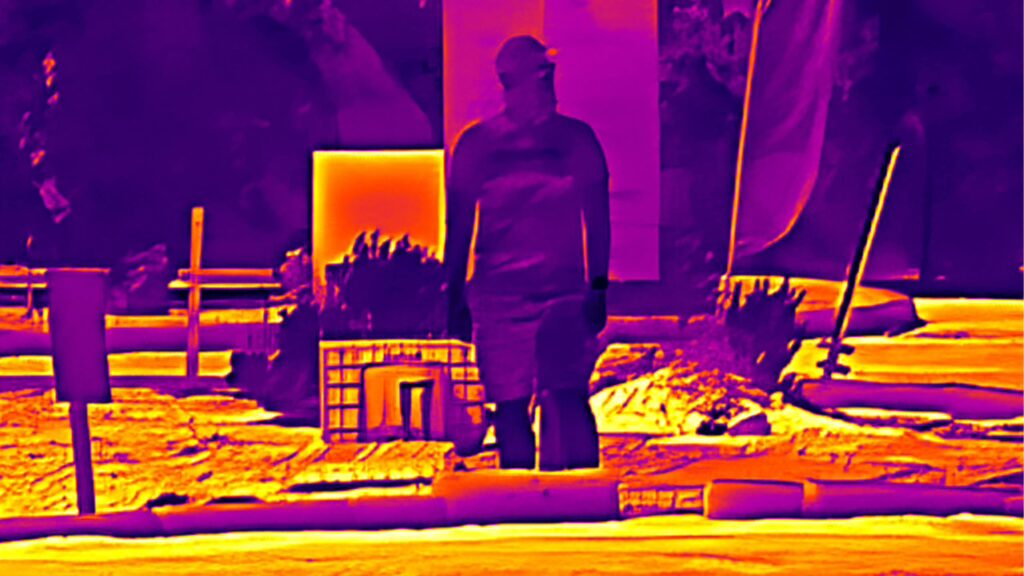
The GOYOJO GRL335 isn’t just another thermal optic—it’s a signal that the thermal market is finally cracking open for the average shooter instead of staying locked behind law-enforcement budgets. At a price point that undercuts legacy European brands by several hundred dollars, the GRL335 delivers 384-resolution imaging, onboard recording, and a compact 35 mm objective that still manages usable detection ranges past 1,000 yards on man-sized targets. That combination matters because it turns a technology once reserved for hog-control professionals or night-shift patrol officers into something a civilian can mount on an AR-10 and actually afford to train with after dark.
For the 2A community, the real story isn’t the spec sheet; it’s the precedent. Every time an import-friendly thermal hits the U.S. market at an accessible price, it normalizes the idea that private citizens have both the right and the practical means to own advanced night-fighting tools. That shifts the Overton window on “sensible restrictions” arguments—after all, if a few hundred dollars buys you the ability to see through smoke or heavy foliage, the old talking point that civilians don’t “need” such capabilities starts to sound as dated as claiming red-dots are only for soldiers. The GRL335’s arrival also pressures domestic manufacturers to compete on price rather than coasting behind import tariffs, which ultimately benefits every end-user who values performance per dollar over patriotic window stickers.
Still, buyers should keep their expectations realistic: the unit’s 35 mm lens and 384 core trade some fine-detail recognition for that lower cost, so it’s better suited for detection and general orientation than for precise PID at extreme ranges. That’s not a knock; it’s an honest market segmentation that lets new users step into thermal without betting a down-payment on their first unit. In the long run, products like the GRL335 accelerate the cycle in which yesterday’s “tactical luxury” becomes today’s standard gear, reinforcing the principle that the Second Amendment protects access to modern arms, not just the ones that were cutting-edge in 1791.


