

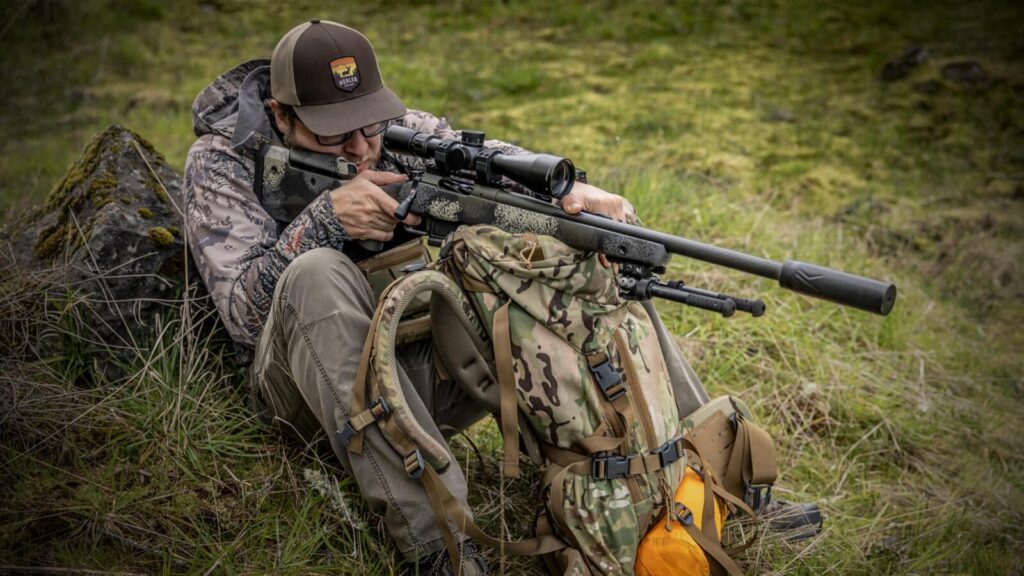
In an era where every inch of public land seems to come with new restrictions and every hunter faces pressure to prove their methods are both ethical and effective, positional shooting stands out as a skill that directly reinforces the practical foundation of the Second Amendment. Morgan Gregory’s June 10th piece isn’t just another list of stances; it’s a reminder that marksmanship under real-world conditions—kneeling behind a fallen log, sitting against a tree, or bracing against a pack—keeps hunters lethal and self-reliant even when bipods, tripods, and high-tech rests aren’t an option. For the 2A community, that matters: the same body positions that let a hunter drop an elk at 300 yards are the ones that let a citizen defend home or property when cover is scarce and time is shorter than a magazine.
Gregory’s emphasis on building positional proficiency also quietly pushes back against the narrative that firearms are only for the range or the flat bench. By training the body to stabilize a rifle from awkward, uneven ground, hunters develop the kind of muscle memory that translates straight to defensive scenarios where perfect posture is a luxury. That crossover capability is exactly why groups like the NRA and state-level hunting coalitions continue to stress field positions in their curricula; it keeps the “well-regulated militia” clause alive in the most literal sense—citizens who can actually hit what they aim at under stress.
The larger implication is cultural as much as tactical. Every hunter who masters positional shooting becomes a walking argument against the claim that modern sporting rifles are unnecessary or that marksmanship is an antiquated hobby. When anti-gun voices push for restrictions framed around “hunting rifles only,” they ignore that the skills Gregory highlights are the same ones that make any semi-auto platform effective for both game and defense. In short, positional competence isn’t just good hunting advice; it’s quiet but powerful proof that an armed, trained populace remains the most practical safeguard of the right to keep and bear arms.


