

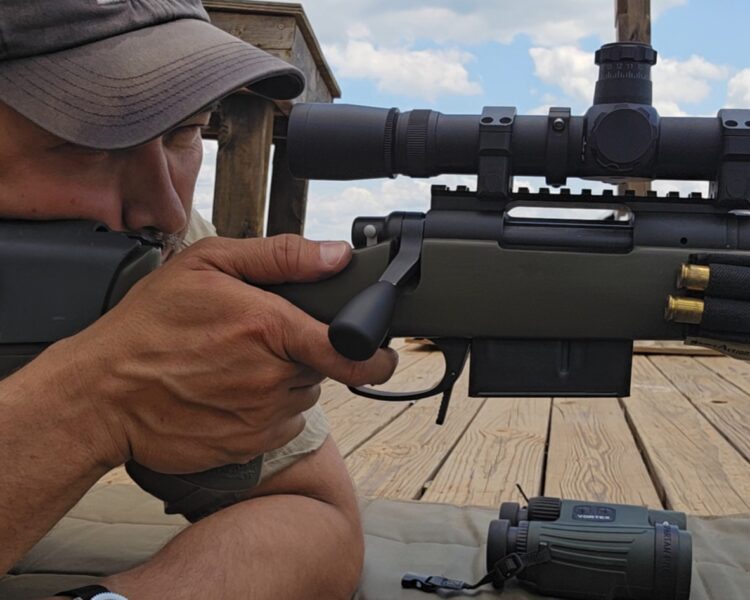
Ditch the guesswork at the firing line and you’ll immediately notice how the six fundamentals turn a once-frustrating long-range session into a repeatable, confidence-building ritual that every serious shooter can carry from the range straight into the field. By breaking the process into a deliberate sequence—position, natural point of aim, grip and trigger control, breath, follow-through, and data confirmation—the routine removes variables that usually masquerade as “bad luck,” letting the rifle and optic perform exactly as designed. For the 2A community this matters because it reframes marksmanship not as an elite skill reserved for competitors, but as a disciplined habit any lawfully armed citizen can adopt to strengthen both personal proficiency and the broader argument that responsible ownership includes measurable competence.
The real implication surfaces when you consider how these fundamentals scale beyond the paper target: a shooter who can consistently place rounds at distance under controlled conditions is far better prepared to exercise the right to keep and bear arms in any lawful context, whether that means ethical hunting, property defense, or simply passing on generational knowledge at the local range. Lawmakers and critics who claim “assault weapons” or precision rifles are inherently dangerous ignore the fact that the rifle itself is inert; what transforms capability into responsibility is exactly this kind of deliberate training. By codifying a six-step checklist that anyone can memorize and drill, the article quietly reinforces the pro-2A position that an armed populace educated in fundamentals is both safer and more credible than one left to guesswork and hearsay.
Ultimately, the six fundamentals serve as a quiet rebuttal to the narrative that long-range precision is either unattainable or unnecessary for the average gun owner. When the community internalizes these steps—practicing them until they become muscle memory—it builds a culture of excellence that undercuts calls for further restrictions by demonstrating that ownership and skill are inseparable. The firing line stops being a place of mystery and becomes a proving ground where every pull of the trigger reaffirms both individual liberty and collective responsibility.


