

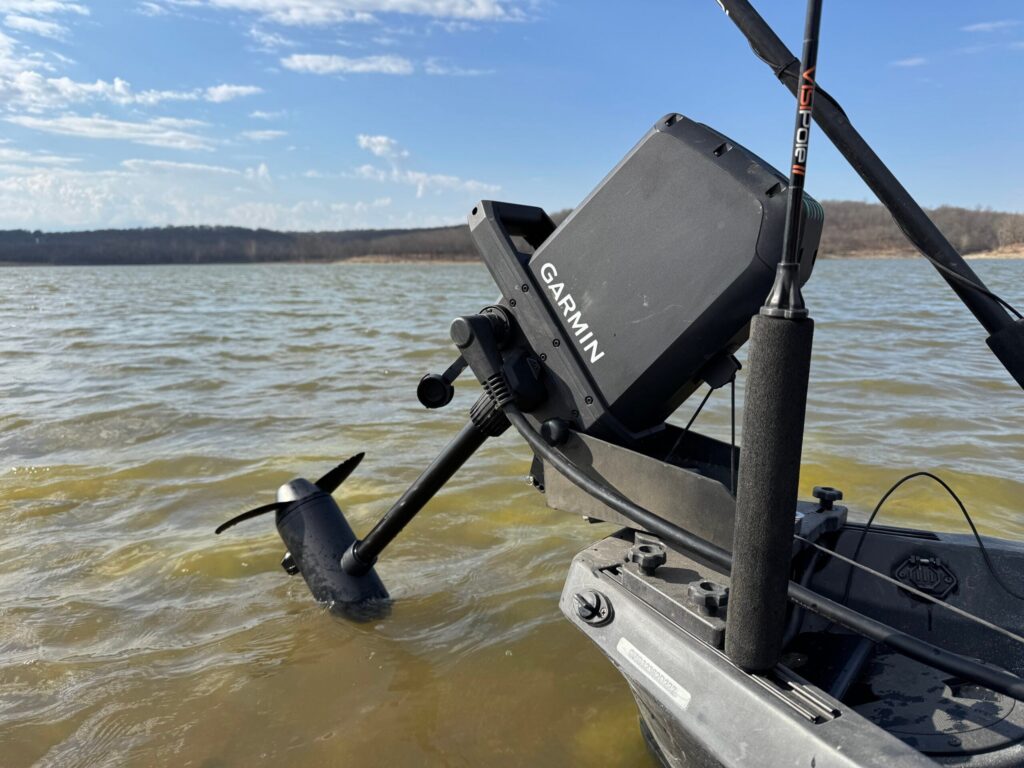
When it comes to high-end marine electronics, few products spark as much debate as the Garmin Force trolling motor, especially at its premium price point. After nine months of hard use in real-world conditions ranging from skinny Florida flats to deep Great Lakes currents, this review cuts through the marketing hype to reveal whether the most expensive kayak trolling motor on the market actually delivers enough performance to justify its cost. The Force brings Garmin’s legendary sonar integration, GPS anchoring precision, and brushless motor technology into a package specifically designed for serious kayak anglers who demand both stealth and pinpoint boat control.
What stands out after nearly a year isn’t just the raw power or the whisper-quiet operation, though both are impressive. It’s the seamless integration with existing Garmin ecosystems that truly changes the game. Fishermen who already run Garmin units on their larger boats will appreciate how the Force essentially becomes an extension of their console setup, allowing them to maintain consistent mapping, waypoint management, and sonar views whether they’re in a $90,000 bass boat or a 12-foot kayak. The wireless pedal and remote response times are instantaneous, and the virtual anchor feature holds position with remarkable accuracy even in wind and current that would normally send lesser motors drifting. For the 2A community that values self-reliance and technical proficiency, there’s something inherently appealing about gear that performs at this level of precision while remaining completely portable and independent of any external infrastructure.
The real question for serious outdoorsmen isn’t whether the Garmin Force is “worth it” in some abstract sense, but whether your fishing and hunting patterns justify investing in equipment that removes variables and maximizes time on the water. After nine months, the answer for many hardcore users is a qualified yes, particularly if you fish high-pressure waters where precise positioning separates success from frustration. While the initial cost stings, the durability, feature set, and integration suggest this isn’t planned obsolescence but rather a long-term tool built for those who treat their kayaks as serious hunting and fishing platforms. In an era where personal freedom and self-sufficiency matter more than ever, having reliable, cutting-edge equipment that performs when and where you need it most represents the kind of practical investment that aligns perfectly with the values of preparedness and independence.


