

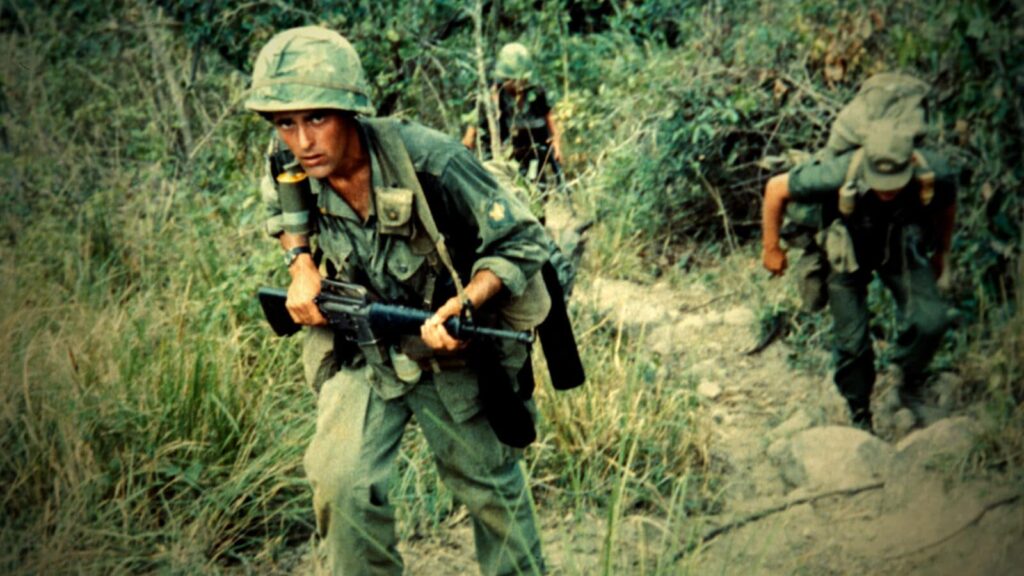
What if the M16 had been allowed to fade into obscurity like so many other experimental service rifles? The Ichord Report’s counterfactual forces us to confront how close the United States came to fielding a generation of soldiers armed with a weapon that might never have earned the trust of its users. By the late 1960s the rifle’s teething troubles—fouling, extraction failures, and a powder change that turned the gas system into a carbon-caked nightmare—had already cost lives in Vietnam. Had Congress pulled the plug, the Army would likely have doubled-down on the heavier, battle-proven M14 or rushed an entirely new platform into production under wartime pressure. Either path would have locked the military into a 7.62 NATO battle rifle for another decade, delaying the doctrinal shift toward lighter, higher-capacity individual weapons that now underpins everything from squad tactics to civilian sporting-rifle design.
For the 2A community the stakes are more than academic. The M16’s troubled birth and eventual redemption—through chrome-lined chambers, improved powders, and the adoption of the M4 carbine—created the very ecosystem of parts, knowledge, and aftermarket support that sustains today’s semi-automatic AR-15. Had the platform been abandoned, civilian shooters would have been denied the inexpensive surplus parts, ubiquitous magazines, and broad armorers’ base that make the modern sporting rifle the most popular centerfire platform in America. More importantly, the political narrative would have shifted: a canceled M16 would have handed gun-control advocates a ready-made morality tale about “military-grade weapons that don’t work,” giving them ammunition to stigmatize the entire class of firearms rather than the specific procurement failures of the 1960s.
The deeper lesson is that reliability controversies are often solved by markets and users, not by legislative second-guessing. Once the teething problems were addressed, the M16/M4 platform proved so adaptable that its civilian offspring now outsell every other rifle category. Allowing that evolution to continue—rather than halting it at the first sign of bureaucratic embarrassment—preserved not only a superior fighting tool but also the legal and industrial infrastructure that lets private citizens keep pace with advancing small-arms technology. In short, Congress’s decision to persevere may have done more to secure the future of the Second Amendment than any single piece of legislation since 1791.


