

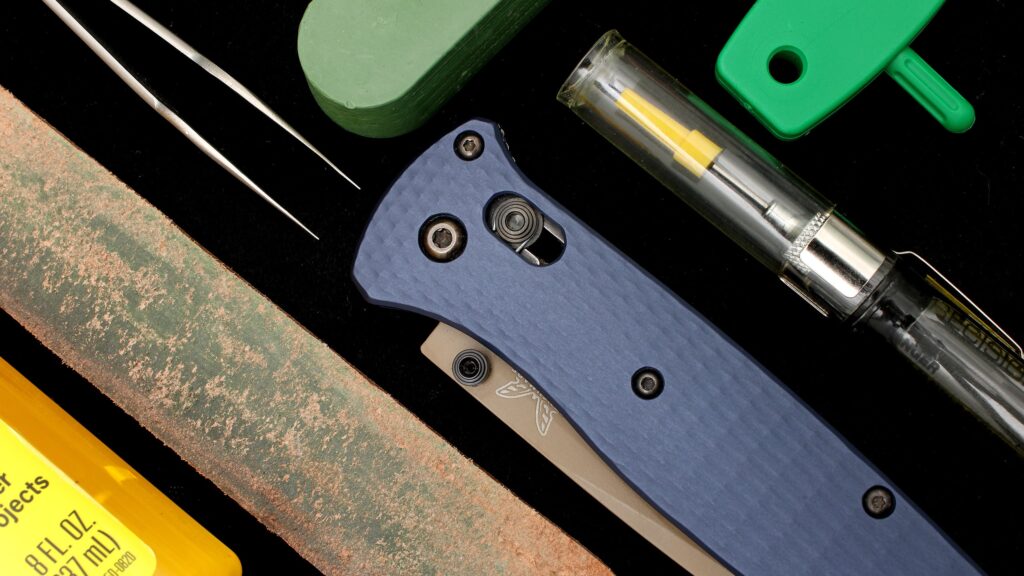
Folding knife maintenance might sound like a niche topic for a firearms-focused audience, but the reality is that most serious gun owners carry an edged tool every day, and a neglected blade is just as unreliable as a dry pistol or a fouled AR. The piece lands at a moment when the industry is pushing harder than ever on “everyday carry” culture—where the line between a defensive firearm and a defensive knife is blurring in both law and public perception. Keeping pivot points clean, torquing screws to spec, and choosing the right lubricant isn’t just about preserving a $200 folder; it’s about ensuring that when seconds count, your secondary tool performs without binding or failing under stress.
What makes the timing interesting is how knife maintenance dovetails with the broader 2A conversation around training and preparedness. Just as the community has moved from “buy it and stash it” to regular dry-fire and malfunction drills, the same mindset is bleeding into edged tools—recognizing that a seized lock or gummy action can turn a utility blade into a liability in a vehicle extraction, a range bag emergency, or a lawful self-defense scenario. Manufacturers are responding with tool-less take-down designs and ceramic coatings, but the end user still bears responsibility; courts and juries increasingly scrutinize whether the defendant “maintained” their gear, so documented care habits can quietly strengthen a self-defense narrative.
For the 2A community, the takeaway is straightforward: treat your folder with the same discipline you give your firearms. A quick wipe-down after range sessions, periodic disassembly on high-round-count weekends, and choosing corrosion-resistant steels all reinforce the larger principle that rights are exercised through competence. In an era when anti-2A voices paint gun owners as reckless, demonstrating meticulous care of every tool in the kit quietly undercuts that stereotype and keeps the focus where it belongs—on responsible, prepared citizens who value life enough to maintain the tools that protect it.


