

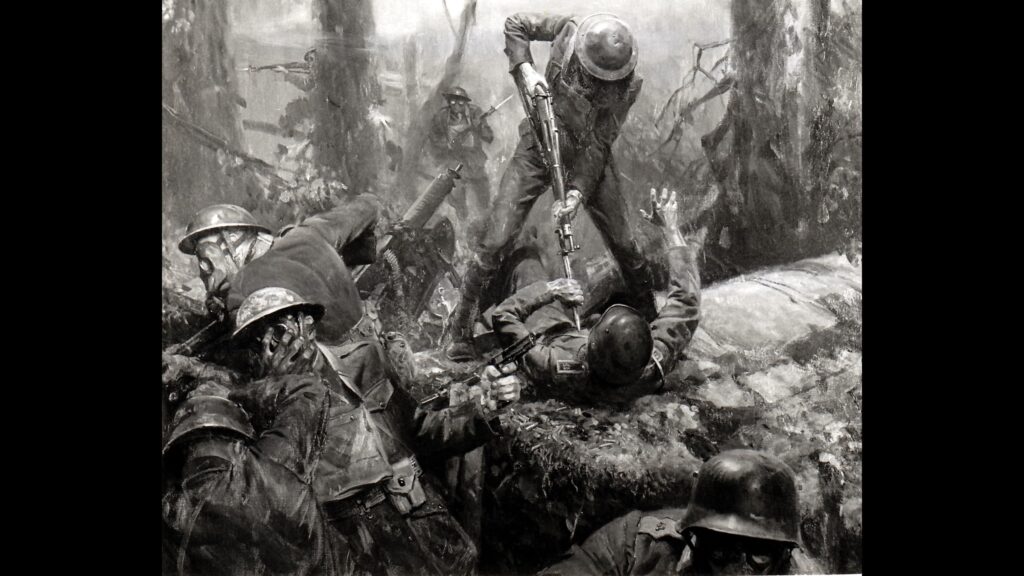
Dale Dye’s recounting of the “Devil Dogs” nickname isn’t just colorful Marine lore—it’s a living reminder that the Second Amendment was written by men who understood the difference between a citizen who can fight and a subject who cannot. When German troops in 1918 tagged the leathernecks at Belleau Wood as “Teufel Hunden,” they weren’t complimenting drill-team precision; they were acknowledging riflemen who could close with cold steel after their Springfield bolts ran dry. That same ethos—marksmanship plus unbreakable will—still underpins why an armed populace remains the ultimate check on tyranny. Dye’s story lands especially hard today because it strips away the sanitized, parade-ground version of military history and shows the raw, individual lethality that made the Marines legends in the first place.
For the 2A community the lesson is straightforward: the rifle in the citizen’s hands is the direct descendant of the 1903 Springfield that earned that nickname. Every time a Marine or a Marine veteran steps onto the range and drills consistent hits at distance, they’re rehearsing the same skill set that once stopped Imperial German advances cold. The cultural weight of “Devil Dogs” therefore functions as quiet but powerful evidence against the modern argument that civilian marksmanship is either unnecessary or dangerous; history shows the opposite. When the next generation of gun owners reads Dye’s account, they should see not nostalgia but a tactical inheritance—one that insists an armed, trained citizenry is still the most credible deterrent to any future would-be occupier, foreign or domestic.


