

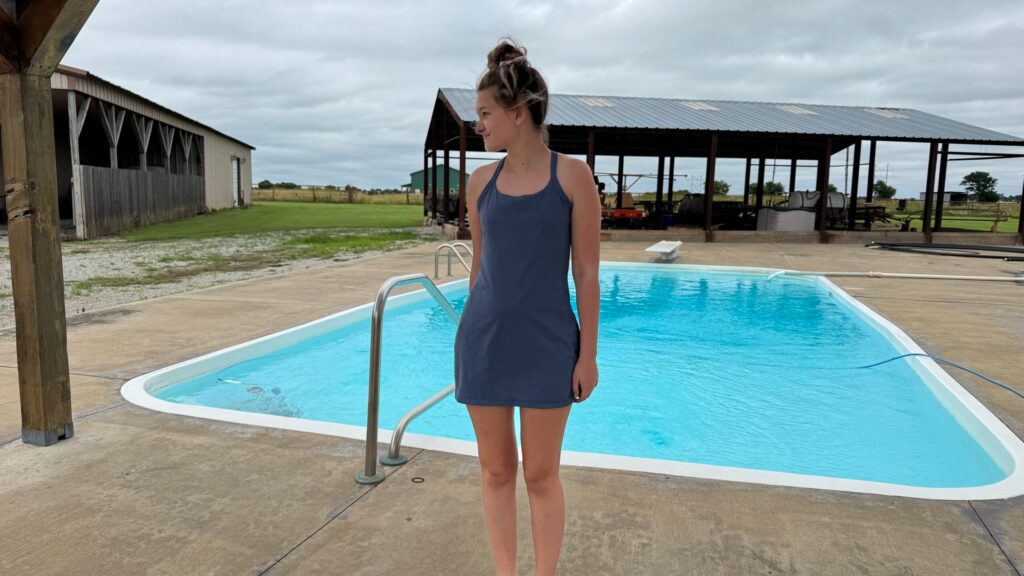
When a teenage girl steps outside in the Huk Sandbar dress, the fabric’s quick-dry, UPF-rated weave is only half the story; the other half is the quiet reassurance that the same stretch-woven material can conceal a compact-carry option without printing or restricting movement. In an era when “outdoor lifestyle” brands market sun protection and moisture management, the Sandbar quietly bridges the gap between performance apparel and everyday carry, giving young women a garment that doesn’t force a choice between femininity and readiness. For Second Amendment families, that matters: it normalizes the idea that personal security isn’t an afterthought tacked onto a cute dress, but part of the same decision tree that picks SPF 50 and four-way stretch.
The review’s real value lies in its generational ripple effect. A daughter who tests the dress for two months isn’t just evaluating comfort on the boat or the beach; she’s internalizing that functional clothing can coexist with autonomy and self-defense. That mindset travels home, into conversations about range days, constitutional carry, and the practical logistics of dressing around a holster rather than dressing around one. Over time, these micro-choices accumulate into a cultural baseline where the right to keep and bear arms is exercised as casually as applying sunscreen—unremarkable, expected, and protected by the very fabric of daily life.


