

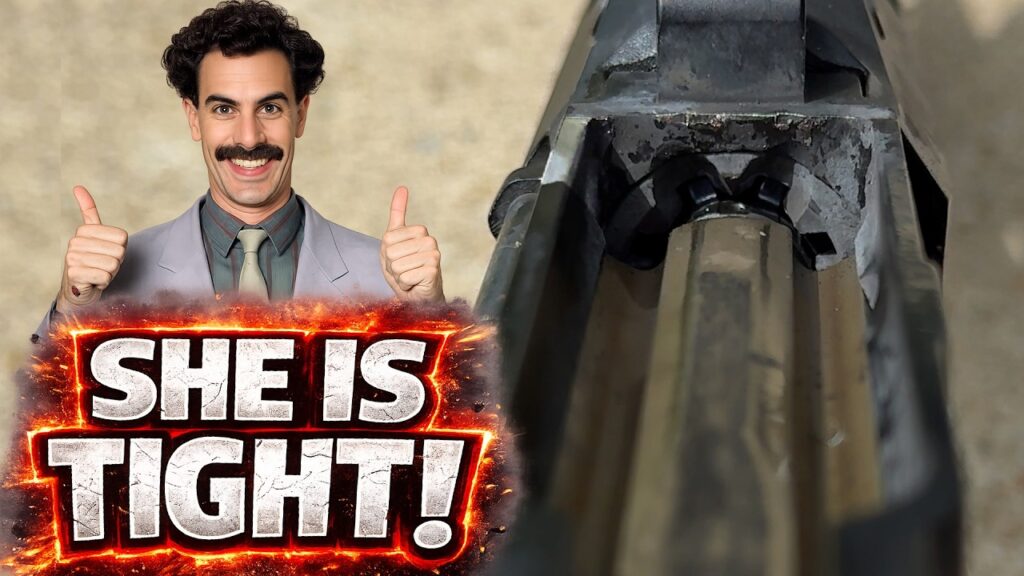
A recent video from the VSO Gun Channel examined an AR-15 upper receiver that became completely seized after approximately 300 rounds of suppressed fire. The host explained that the issue stemmed from repeated short firing sessions followed by extended storage periods, allowing carbon deposits to absorb moisture and swell inside the receiver.
Pros
- Effective demonstration of a real-world maintenance problem many suppressor users may encounter.
- Clear explanation of dwell-time increase versus back-pressure misconceptions when running suppressed DI ARs.
- Practical, tiered cleaning methods shared, including the use of volatile solvents and penetrating oils.
Cons
- Requires more aggressive mechanical or chemical intervention once carbon has fully hardened.
- Some recommended products (PB Blaster) can damage polymer parts over time if not used carefully.
- Daily thorough cleaning is acknowledged as impractical for high-volume users.
Specs & Key Details
- Rounds fired since last cleaning: ~300
- Use pattern: 5–10 rounds or one magazine per session, multiple times per week, with cooling periods between uses.
- Remedies tested: penetrating oil/CLP, Quick Scrub volatile solvent, brass punch, and hammer.
- Warning issued against WD-40 and long-term exposure to corrosive bore cleaners.
“When you add a suppressor to the end of your barrel, you have artificially increased the post gas length… you’re increasing the dwell time,” the host stated. He also noted, “Those guns are like screwdrivers and hammers. I don’t wipe them down every single time I use them, only until they get really filthy and they actually need it.”


