

Overview
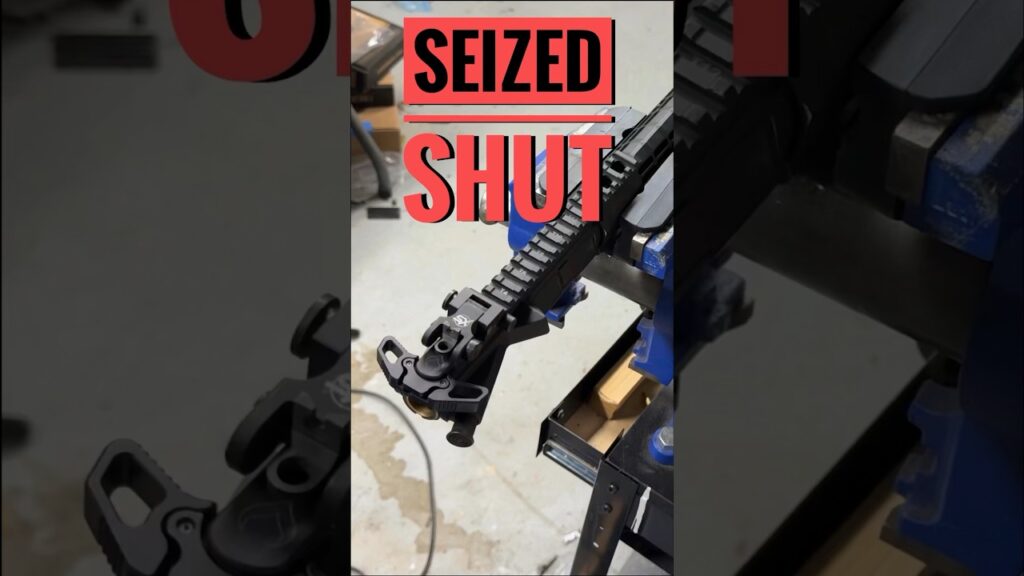
A recent demonstration on The VSO Gun Channel examined how an AR-15 upper receiver became carbon-locked after limited use and extended storage. The rifle had fired only 300–400 rounds since its last cleaning, yet the bolt carrier group seized after the firearm sat unused for three months following suppressed shooting sessions spread over a single month.
Pros
- During active firing, thin carbon layers caused minimal interference, allowing the bolt to function normally.
- Applying a layer of grease to the bolt before storage was presented as a practical workaround for users who cannot clean frequently.
Cons
- Deposits left to sit absorbed atmospheric moisture and expanded, locking the action shut.
- Cyclic shooting followed by long idle periods created layered carbon buildup that cleaning alone may not prevent without additional protective measures.
Key Specifications & Details
- Platform: AR-15
- Ammunition fired since last cleaning: 300–400 rounds
- Usage pattern: Suppressed fire in small sessions over one month, followed by three months of storage
- Observed condition: Bolt carrier group retained its golden finish, indicating the rifle was not heavily soiled overall
“This is the result of shooting that amount of ammo through it suppressed a little at a time over the course of a month and then throwing it in the corner for 3 months,” the host explained. “Cycles like that allow a new carbon layer to be laid down over the old ones.” He added that while the bolt can cut through fresh deposits during use, “the problem comes once you let it sit for a while. Those deposits absorb water from the atmosphere and expand.” A follow-up segment and a full-form video were promised for viewers seeking further detail.


