

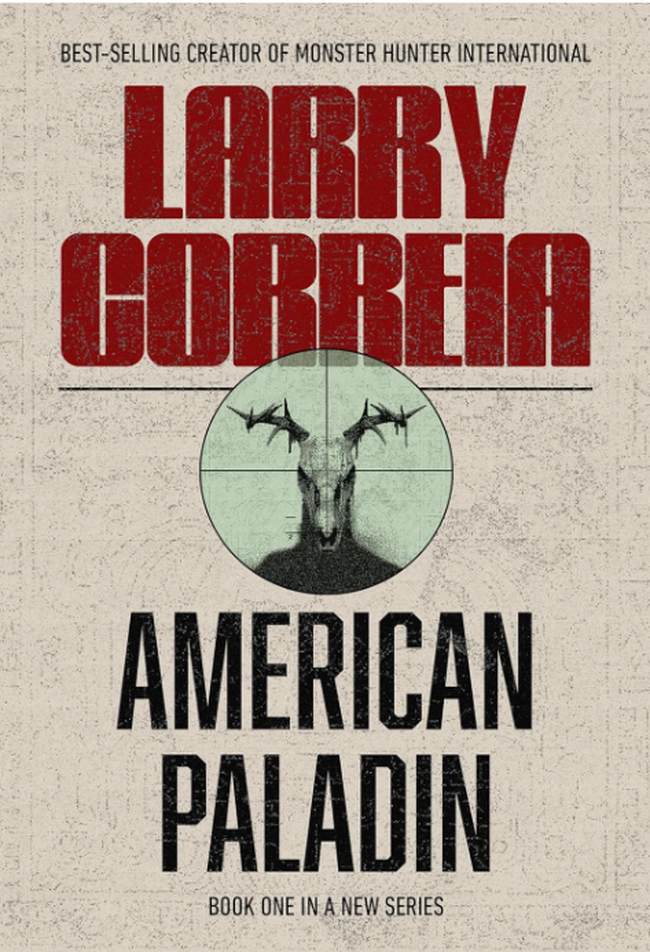
Larry Correia’s American Paladin doesn’t just drop a gun-toting paladin into modern America; it weaponizes the very idea that an armed citizen can still be the last, best check on evil when institutions fail. Correia’s protagonist isn’t a brooding anti-hero—he’s a deliberate throwback to the armed yeoman who shows up with both faith and a rifle when the wolves are at the door. That framing matters to the 2A community because it reframes self-defense not as vigilantism but as a moral duty, echoing the founding-era assumption that free people remain responsible for their own and their neighbors’ security. The novel’s action scenes read like love letters to practical marksmanship: every reload, every sight picture, every legal after-action consideration is rendered with the kind of granular respect usually reserved for military memoirs, reminding readers that competence with a firearm is a civic virtue, not a hobby.
What makes the book especially sharp for pro-2A audiences is how it weaponizes narrative against the usual cultural disarmament script. Instead of the tired “good guy with a gun” debate being settled by statistics, Correia settles it with consequences—when seconds count and the authorities are minutes away, the armed citizen who trained like it mattered actually changes outcomes. The fantasy elements (divine calling, literal monsters) serve as metaphor rather than distraction: they externalize the everyday reality that evil doesn’t politely obey gun-free zones or restraining orders. By making the supernatural threat undeniable, Correia forces readers to confront the logical endpoint of “trust the system” rhetoric—if even angels need backup, maybe an armed populace isn’t paranoia but prudence. For the 2A community, the novel functions as both entertainment and soft power, normalizing the armed citizen as protagonist rather than suspect and quietly rebutting the notion that only the state should hold the monopoly on righteous violence.


