

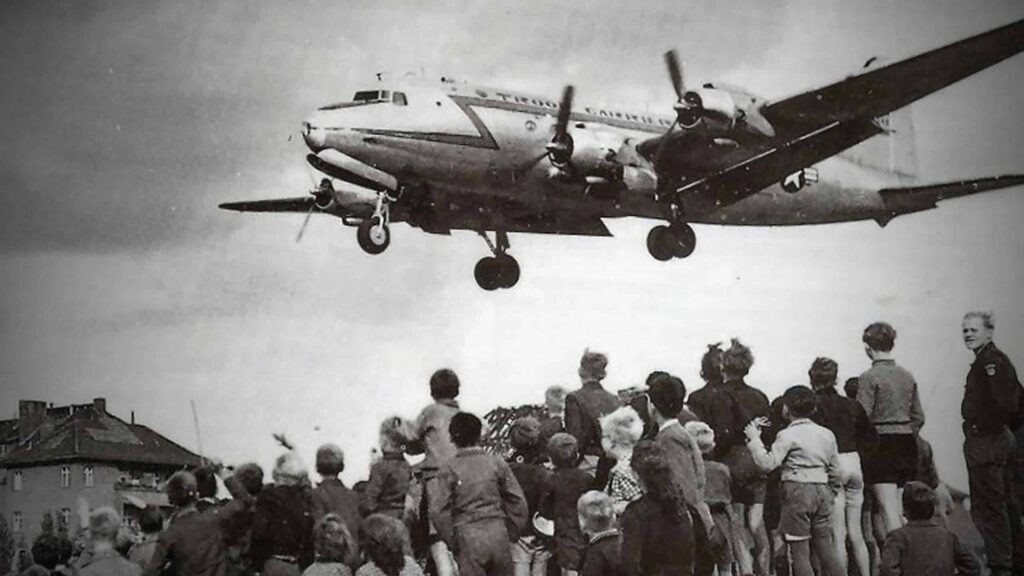
The Berlin Candy Bomber story is a masterclass in how civilian ingenuity and private initiative can turn the tide when governments falter. During the 1948-49 Soviet blockade, it wasn’t just official aircrews who kept West Berlin alive; it was pilots like Gail Halvorsen who, on their own initiative and with candy donated by American civilians, began dropping sweets to the city’s children. That act of individual generosity under the umbrella of the greatest airlift in history reminds the 2A community that rights are exercised, not granted. The same spirit that let private pilots improvise humanitarian drops is the spirit that insists an armed citizenry can improvise solutions when the state cannot or will not protect its people.
What makes the tale especially resonant today is the contrast between then and now. In 1948 the United States still trusted its citizens with both the tools of war and the tools of mercy; today, the same institutions that once celebrated Halvorsen’s candy drops now treat private firearm ownership as inherently suspect. The Candy Bomber narrative quietly underscores that an armed population is not a threat to order but a reservoir of initiative that can be redirected toward any worthy end—defense, disaster relief, or, yes, even morale operations. When the next crisis arrives, whether geopolitical or domestic, the question will again be whether the state allows that reservoir to be tapped or tries to dam it up.
For Second Amendment advocates, the lesson is straightforward: rights that are not regularly exercised atrophy. Just as the Berlin Airlift proved that free people could sustain a city with ingenuity and aircraft, the ongoing defense of the right to keep and bear arms proves that free people can sustain liberty itself when institutions waver. The Candy Bomber didn’t wait for permission to drop hope from the sky; neither should today’s citizens wait for permission to remain armed and prepared.


