

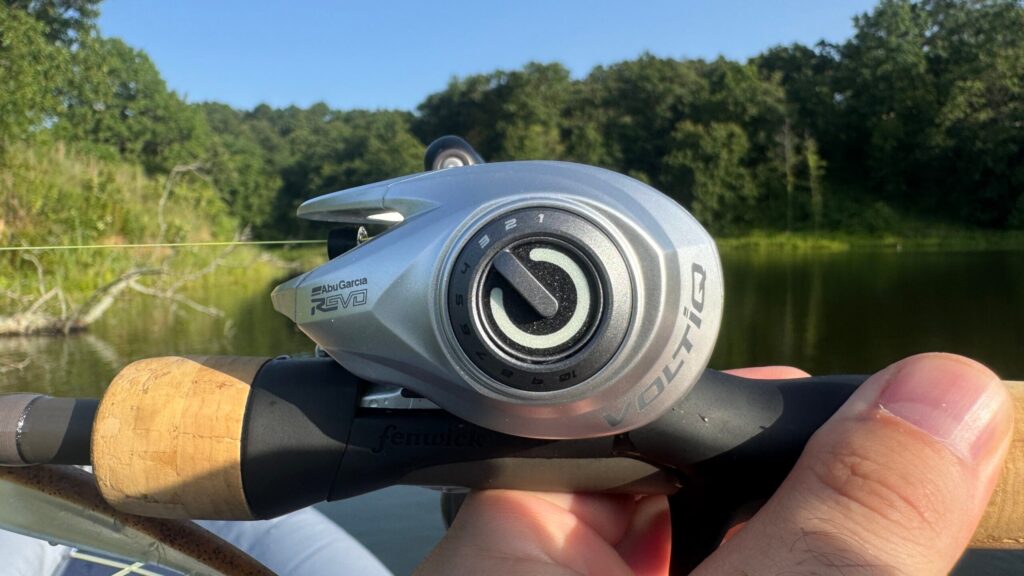
The Abu Garcia Revo X VoltiQ’s electronic brake system is a textbook example of how incremental tech can quietly shift an entire category, and the 2A community should pay attention. By reading spool RPM in real time and micro-adjusting magnetic braking, the reel promises fewer backlashes and longer casts—advantages that matter when every cast is a chance to put protein on the table or defend livestock from predators. For Second Amendment advocates who already rely on precision rifles and optics, the message is clear: the same drive for tighter tolerances and smarter feedback loops that improved defensive firearms is now migrating to the gear we use to stay self-reliant off-grid.
What makes the VoltiQ noteworthy isn’t just the circuitry; it’s the philosophical overlap with modern gun culture. Both worlds prize reliability under variable conditions, and both are learning that data beats guesswork. Where a shooter might log muzzle velocity or group size, an angler can now log RPM curves and tweak brake profiles on the fly. That data loop mirrors the growing acceptance of smart optics and shot timers—tools once dismissed as gimmicks that are now standard for anyone serious about performance. If electronic reels follow the same adoption curve, expect aftermarket batteries, firmware updates, and even app-based tuning to become as normal as red-dot sights or ballistic apps.
Still, the rollout invites a familiar 2A-style debate: does added complexity enhance freedom or create new dependencies? A reel that needs charging is one power outage away from reverting to analog, just as an optic without backup irons can leave a shooter vulnerable. The prudent path is the same one the firearms community already practices—master the fundamentals first, then layer on technology that genuinely multiplies capability. If the VoltiQ’s electronic advantage holds up under muddy boots and late-season cold, it could mark the moment when “smart” became standard for every tool that keeps us fed and free.


