

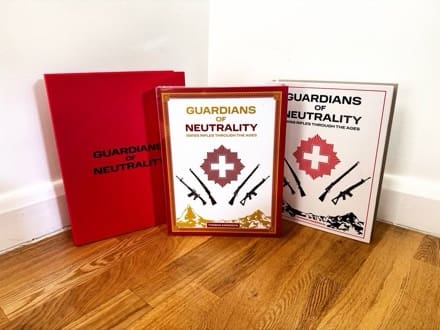
Every collector has felt that hollow click when the search ends in a forum thread instead of a hardbound reference. Safar Publishing’s call for authors is more than a niche opportunity; it is an admission that the institutional memory of small-arms development is still stored in private notebooks and hard drives rather than on library shelves. When a single obscure camouflage variant or a four-decade service-rifle evolution lacks a monograph, the gap is not merely academic—it shapes how future legislators, judges, and journalists understand what “common use” actually looks like. A well-sourced book becomes admissible context in court, a data point in a congressional hearing, and a primary source for the next generation of designers who will defend the Second Amendment by building the next generation of arms.
The timing is equally strategic. As ATF rulemaking accelerates and state-level restrictions multiply, the factual baseline for what constitutes an “accessory” or a “variant” is being written in real time by people who have never shouldered the rifles in question. Independent authors working outside legacy publishing houses can move faster, cite primary documents that agencies often ignore, and—crucially—keep those documents in print long after a regulation changes. In an era when social-media threads evaporate and Wayback Machine captures are dismissed as hearsay, a printed volume with an ISBN carries presumptive credibility that no amicus brief can match.
For the 2A community, Safar’s open door is therefore both a cultural and a legal project. Collectors who have spent decades curating data now have a legitimate channel to convert that data into durable precedent. The question is no longer whether the reference exists; it is whether the people who possess the knowledge will treat authorship as an act of preservation rather than an afterthought.


