

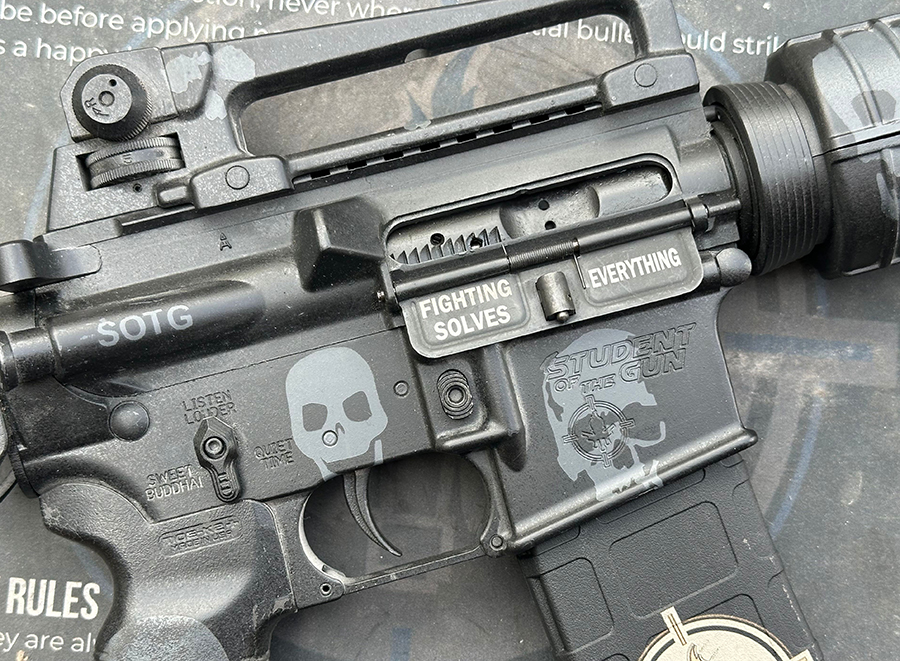
As the nation edges toward its 250th anniversary, the idea of building a rifle that celebrates both craftsmanship and constitutional liberty feels especially timely. Far from a novelty, a “pimphand” build—where the owner selects every component from barrel to buttstock—embodies the same spirit that drove colonial gunsmiths to turn imported locks and locally forged barrels into tools of independence. In an era when serialized firearms and regulatory creep dominate headlines, exercising the right to assemble your own receiver from an 80 percent blank or a properly transferred lower is a quiet but unmistakable act of self-reliance that keeps skills and institutional knowledge alive inside the gun-owning community.
The deeper implication is cultural as much as mechanical: each custom rifle becomes a rolling referendum on the Second Amendment’s enduring relevance. When a builder chooses a match-grade barrel, an adjustable gas block, and an optic that would have seemed alien to the Minutemen, they are not rejecting history; they are extending it—proving that the amendment was drafted with future technologies in mind. That continuity matters now more than ever, as litigation over braces, pistol grips, and “assault weapon” features inches through the courts; a nation of citizen-gunsmiths who understand how these parts actually function is far better equipped to rebut the claim that modern firearms are too complex for ordinary Americans to own responsibly.
Ultimately, the anniversary offers more than nostalgia—it is a reminder that the right to keep and bear arms includes the right to understand, maintain, and improve them. Whether the finished rifle ends up at a July 4th range day or simply hangs above a workbench as a testament to individual skill, its existence quietly rebuts the narrative that only the state should decide what arms are suitable for the people. In that sense, building your own pimphand rifle is less about ostentation and more about preserving a distinctly American form of technological literacy that the Founders would recognize instantly.


